
Some mornings, your back says hello before you even open your eyes. That dull ache in the lower spine, the stiffness, the sense that your body simply doesn't want to. Maybe you've tried ignoring it, maybe you've reached for painkillers, maybe you've told yourself this is just how things are now. But what if the answer were far simpler – and honestly, more fun – than you think?
Movement as medicine – but only the right kind
Your back loves movement. Just not all movement equally. Long hours at a desk wear it down, but so does heavy exercise without a proper warm-up. What the spine truly craves is smooth, rhythmic motion that doesn't hammer the joints with impact. Exactly the kind offered by aqua aerobics, yoga, tai chi – or, and this might surprise you – bungee fitness.
Bungee fitness? Yes – the one where you're harnessed into an elastic cord attached to the ceiling. It sounds like a circus act, but in that moment your body experiences something genuinely lovely: it moves freely, without full weight on the joints, while the muscles along the entire spine quietly do their work. It's a little like dancing in the air – and that's exactly why your back takes to it so well.
Why your back responds to lightness
Your spine carries the weight of your whole body, every day, every hour. The deep stabilising muscles around it – the ones most of us never think about – work without pause. When we overload them, or let them stiffen through inactivity, they start to protest. Lower back pain is very often their call for help.
Movement in water, on an elastic cord, or in the slow flow of yoga gives them exactly what they need: activation without overload. The muscles wake up, fill with blood, lengthen – and the pain gradually retreats. It isn't magic; it's simple physiology. The body knows how to heal itself. We just need to give it the right conditions.
What you can try at home today
There may not be a bungee studio near you. That's perfectly fine – the principles of back-friendly movement can be applied right now, without any equipment or gym membership.
- Morning stretch before you rise: Before getting out of bed, draw both knees gently to your chest and hold for a moment. The spine lengthens softly, and you'll stand up noticeably lighter.
- A barefoot walk on grass or sand: Walking on uneven natural surfaces activates the muscles of the feet and legs, and that effect travels all the way up to your back. Nature is the best physiotherapist.
- Swimming or aqua aerobics: Water unloads the joints while offering natural resistance. The back works, but without impact. Once a week is enough to feel a difference.
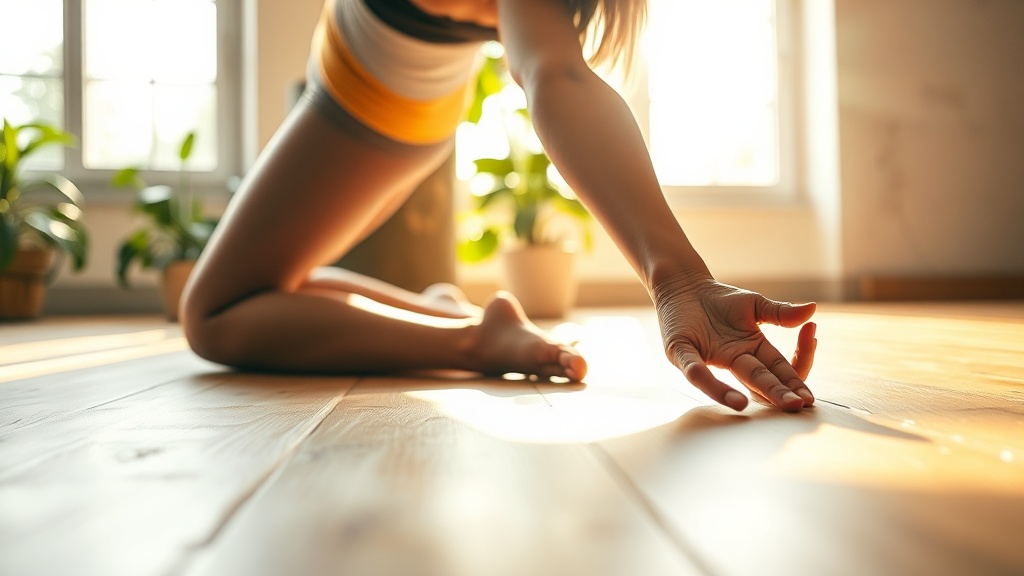
- Yoga or tai chi: Slow, conscious movement with an emphasis on breath. You don't need to be flexible – starting with one simple pose a day is more than enough.
The small secret that changes everything
There's something that rarely gets mentioned: backs also hurt because of how we breathe. The shallow chest breathing most of us fall into under stress or while sitting tightens the diaphragm and the muscles around the spine. Deep belly breathing, on the other hand, is a natural massage from the inside. Try it now: inhale so your belly rises, not your chest. Exhale slowly. Repeat five times. Your back will literally sigh with relief.
The movement you enjoy is the best movement
The greatest wisdom the body offers us is this: movement we do with joy is movement we do regularly. And regularity is the only thing that truly matters. Whether it's bungee fitness, dancing in the living room, a walk through the forest, or morning yoga on the carpet – if it makes you happy, your back will benefit.
You don't need to overhaul your whole life. One small extra movement each day is enough. The body remembers – and one morning you'll get up and realise your back is quiet. That, truly, is the loveliest feeling.