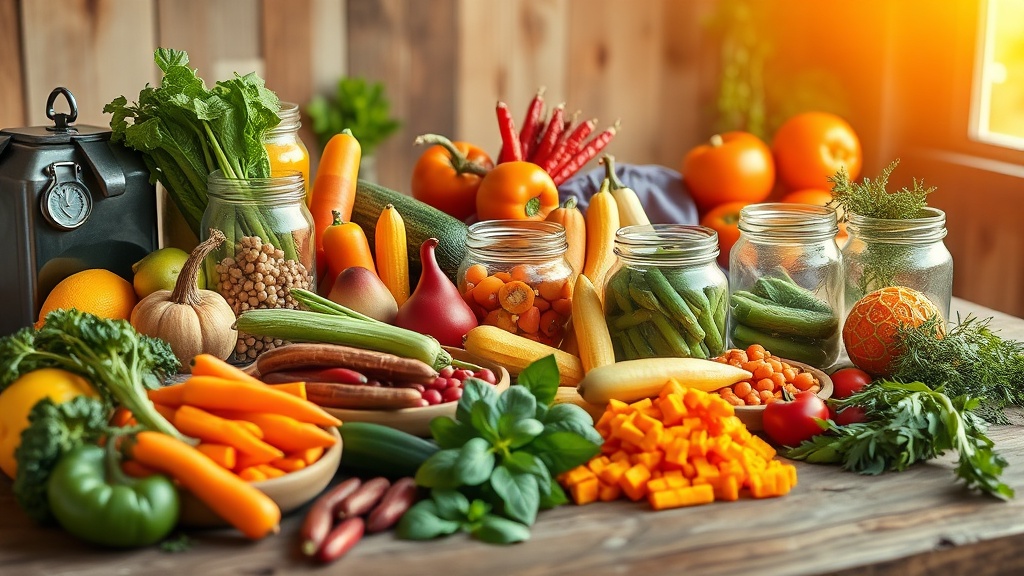
There is one thing that keeps coming up, again and again, whenever we talk about staying healthy for the long run – and it is something we have within reach every single day. Plants. Fresh vegetables, fruit, legumes, wholegrains, herbs from the windowsill or the garden. Nothing revolutionary, nothing expensive. Just what nature grows and what our bodies have known since the very beginning.
Your plate is sending a message
Next time you sit down to eat, try looking at your plate as a letter you are writing to your body. White rice and a piece of meat? Your body gets fuel, but little else. A bowl of red lentils, wilted spinach, roasted carrots and a slice of wholegrain bread? That is an entirely different story. Plant foods contain thousands of compounds – fibre, antioxidants, phytochemicals – that work together in ways no supplement can replicate.
One beautiful example: broccoli. It contains a compound called sulforaphane, which is only released when you cut or chew it – as if the vegetable is waiting for you to invite it into action. That kind of magic does not happen in a laboratory. It grows in the ground.
Prevention starts in the kitchen, not the pharmacy
When we talk about longevity and prevention, the conversation almost always turns to medicines, tests or supplements. But the greatest influence on how our bodies age and how they defend themselves comes from what we eat every single day. Not occasionally. Every day.
This does not mean being perfect. It does not mean giving up everything you love. It simply means gradually adding more – extra vegetables in the soup, a handful of blueberries at breakfast, a spoonful of flaxseed stirred into yoghurt. Small steps that, over time, add up to something significant.
The colours on your plate are no accident
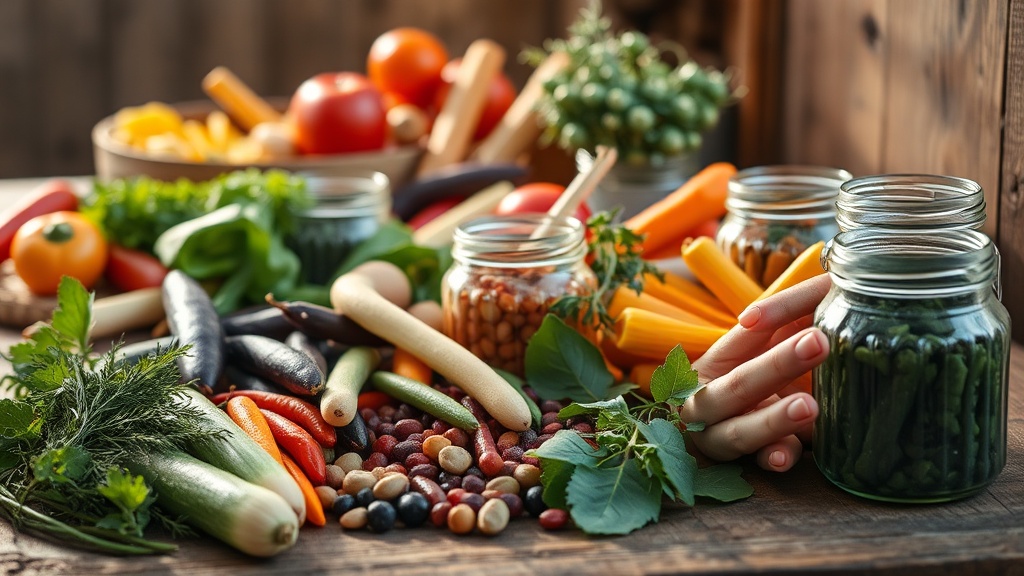
Nature is clever. The red of tomatoes and peppers signals lycopene. The deep purple of blueberries and red cabbage means anthocyanins. The orange of carrots and pumpkin holds beta-carotene. Each colour is a different protective mechanism – and the more colours you have on your plate, the broader the protection you are offering your body.
Try a small experiment this week: count the colours on your plate. One or two? Or five? This is not about counting calories or grams. It is about the joy of variety – and variety that genuinely does your body good.
What to add, not what to take away
The best approach to changing how you eat is one that forbids nothing. Instead of telling yourself I cannot have this or that, try asking: what good thing will I add for my body today?
- Morning: A handful of fresh or frozen fruit stirred into porridge or a smoothie.
- Lunch: Add at least one portion of vegetables to every meal – even a simple tomato and cucumber salad counts.
- Dinner: Once a week, try a meat-free meal – lentil soup, vegetable curry, bean stew.
- Snack: Swap biscuits for carrot sticks with hummus, or an apple with almond butter.
Legumes – the forgotten treasure of home cooking
Our great-grandmothers cooked lentils, peas and beans as a matter of course. Then the age of convenience food arrived and legumes quietly disappeared from our tables. Yet they remain one of the most consistently celebrated foods when it comes to long-term health. Rich in fibre, protein and minerals – and wonderfully affordable, filling and satisfying.
Try cooking a big pot of lentil or bean soup once a week. It keeps for two days, warms both body and spirit, and your gut will quietly thank you for it.
Nature knows best
There is no need to buy expensive powders or wade through scientific papers. All it takes is a walk to the farmers market, choosing vegetables that are in season, breathing in the scent of fresh herbs and cooking something simple at home. This is prevention. This is self-care. And this is a joy that returns every single day – on your plate, in your body and in your mood.