There is something quietly magical about pulling a beetroot from the earth – that deep, jewel-red globe, still warm from the soil, smelling of rain and roots. Many of us remember it from childhood as the thing that turned everything on the plate a vivid purple, the vegetable that stained fingers and tablecloths alike. But beetroot deserves a second look, not as a nostalgic curiosity, but as one of the most quietly powerful vegetables you can bring into your kitchen this season.
What beetroot does for your body
- Supports healthy blood. Naturally rich in iron and folate, beetroot gently supports your body in producing red blood cells – especially welcome during tired, grey months when energy feels thin.
- Builds quiet endurance. The natural nitrates in beetroot help your muscles work more efficiently, so a walk in the woods or an afternoon of gardening leaves you feeling less drained than usual.
- Loves your liver and digestion. Betaine – the compound that gives beetroot its extraordinary colour – supports the liver's natural cleansing work and gently encourages healthy digestion, like a small daily kindness to your insides.
- Cares for your heart and vessels. Regular enjoyment of beetroot helps maintain naturally healthy blood pressure and keeps blood vessels supple – your heart quietly appreciates it, even if it never says so.
- Lifts mood and eases tension. Beetroot contains tryptophan, the building block your body uses to make serotonin – so a small glass of fresh beetroot juice in the morning can set a gentler tone for the whole day.
How to choose, store and prepare beetroot beautifully
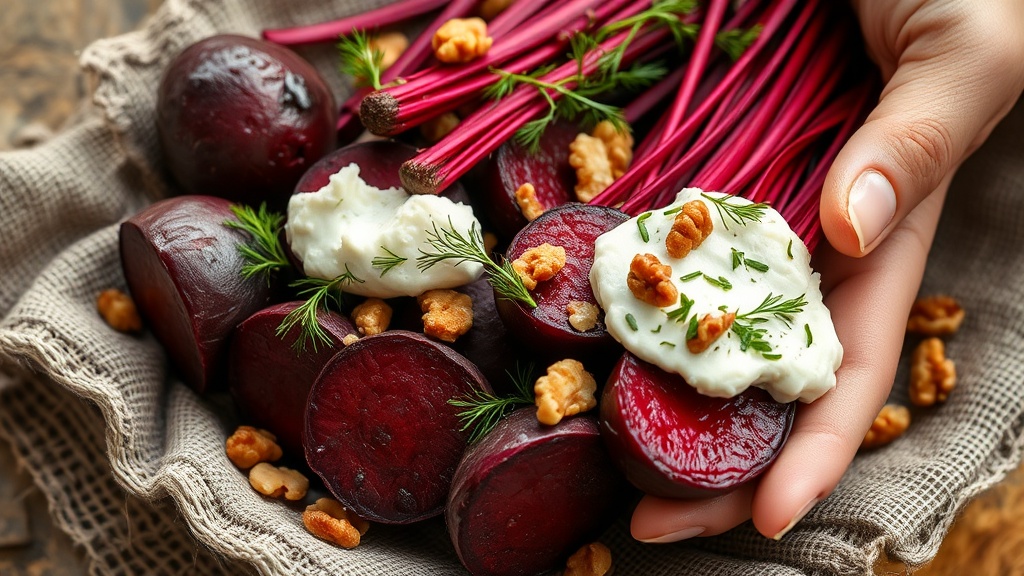
When shopping, look for firm, smooth beets with bright, fresh-looking greens still attached – the leaves are a reliable sign of freshness, and a bonus ingredient: use them like spinach in soups or sautéed with garlic. Avoid beets that feel soft or wrinkled. At home, wrap them loosely in a paper towel and keep them in the fridge, where they will stay fresh for two to three weeks. When cooking, leave the skin on and cook them whole – this keeps both the colour and the goodness locked inside. Roasting is a revelation if you have only ever eaten boiled beetroot: in the oven, the natural sugars caramelise and the flavour deepens into something almost sweet and smoky. Beetroot pairs beautifully with goat's cheese, walnuts, orange, fresh dill, and a drizzle of good honey.
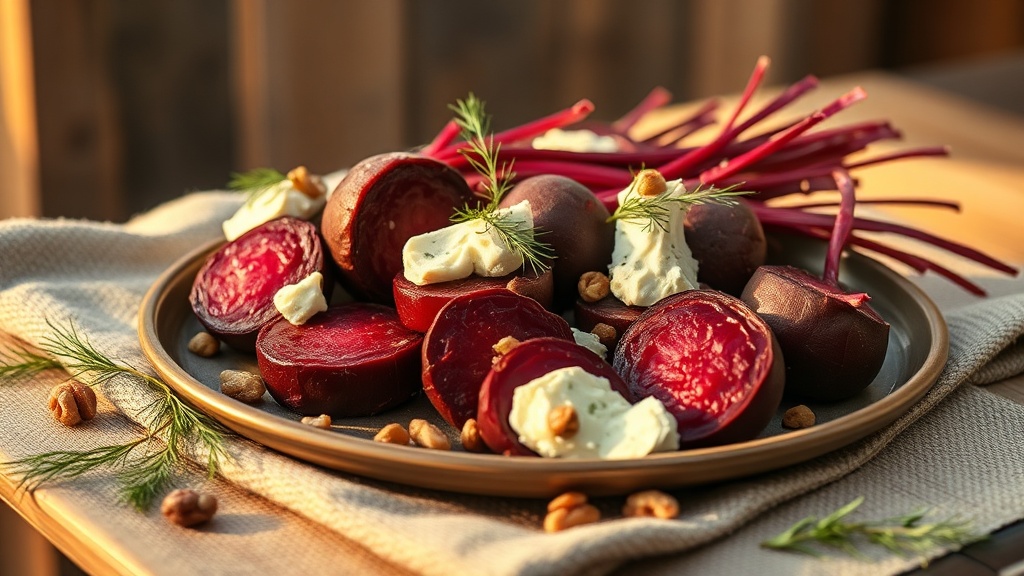
Try this week: roasted beetroot with goat's cheese and honey
Wrap two or three medium beets individually in foil, place them in an oven at 180 °C and roast for about an hour. Let them cool slightly – the skins will slip off easily in your hands. Slice them onto a plate, crumble over some soft goat's cheese, scatter a handful of rocket, drizzle with olive oil and a thin thread of honey, then finish with a few toasted walnuts. It looks like something from a restaurant and takes almost no effort at all. If you want to try something unexpected at breakfast, grate a small raw beetroot into your morning porridge alongside a little cinnamon and grated apple – the colour alone will make you smile, and the flavour is surprisingly gentle and sweet.
Beetroot is one of those vegetables that rewards you the more you invite it in – not because you have to, but because it turns out to be genuinely delicious. Find one new way to use it this week, and let it surprise you.