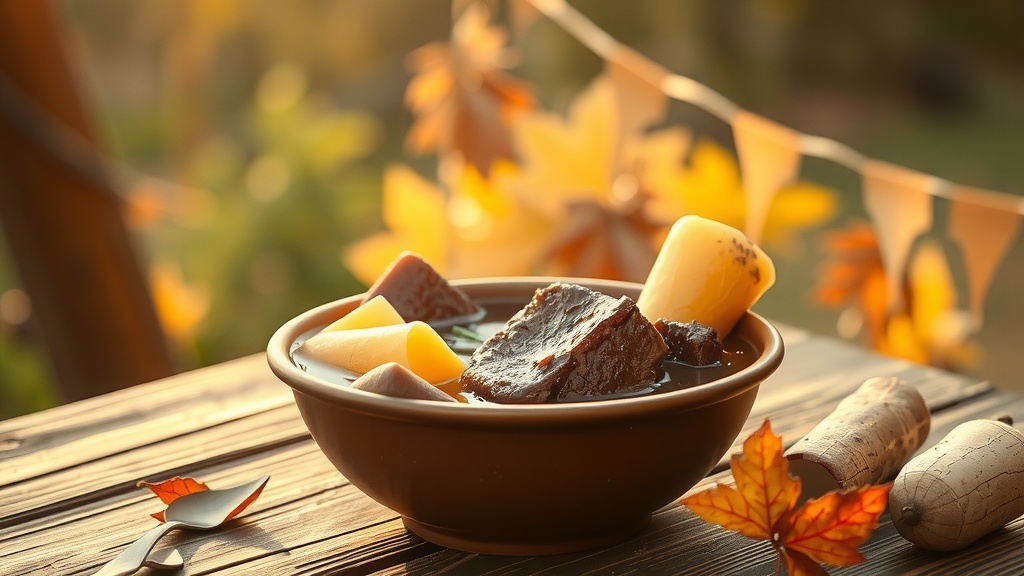
There is something deeply comforting about a pot of beef broth simmering slowly on the stove, filling the kitchen with a warmth that feels almost like a hug. Beef has been at the heart of Central European cooking for generations – from Sunday roasts to slow-cooked stews on grey autumn afternoons. It is one of those ingredients that carries memory and nourishment in equal measure, and it deserves a thoughtful, unhurried place in our everyday kitchens.
What beef does for your body
- Rebuilds muscles and tissues. Beef is one of the richest sources of complete protein, giving your body exactly what it needs to repair and recover – especially welcome after a long, physically demanding day.
- Supports healthy blood and energy. The iron in beef comes in a form the body absorbs with ease, making it a natural ally for maintaining steady energy levels and vitality, particularly for women.
- Nourishes the nervous system. Beef is exceptionally rich in B vitamins, especially B12, which quietly support a calm mind, sharper focus, and a sense of mental steadiness throughout the day.
- Strengthens immunity and healing. The zinc naturally present in beef works as a gentle guardian of the immune system, helping the body bounce back more quickly after illness or physical stress.
- Keeps you full and grounded. The combination of protein and natural fats in beef provides lasting satiety, helping to keep blood sugar steady and avoiding those mid-afternoon energy crashes.
How to choose, store and prepare beef well
When buying beef, it is worth seeking out a butcher you trust or choosing meat from a local farm. Grass-fed beef tends to be deeper in colour, richer in flavour, and naturally better in its fat composition. A vibrant, deep red colour is your first simple sign of freshness – avoid anything that looks grey or dull.
Store fresh beef in the coldest part of your fridge and use it within two to three days. If you know you will not cook it straight away, freeze it as soon as possible after buying. Thaw it slowly overnight in the fridge rather than at room temperature. Tougher cuts like shin, chuck or shoulder are perfect for slow cooking. For a quick pan preparation, reach for sirloin, tenderloin or rump steak.
Beef pairs beautifully with root vegetables, thyme, rosemary and bay leaf. A slightly acidic element – a splash of red wine or a handful of tomatoes in a braise – helps tenderise the meat and deepens its natural flavour wonderfully.
Try this week: a slow and simple beef broth
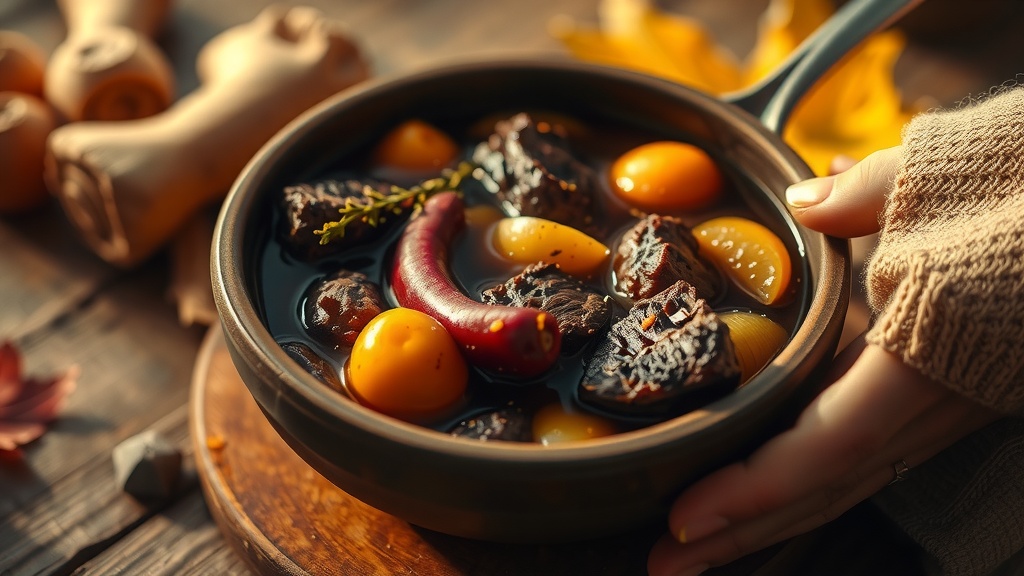
Take a piece of beef bones or shin, add a carrot, parsley root, a stick of celery, an onion halved and dry-toasted in a pan, and a few whole peppercorns. Cover with cold water and let it simmer on the lowest possible heat for three to four hours. Strain the broth and drink it warm from a mug – especially on cool autumn or winter days, it is one of the simplest forms of self-care imaginable. What is quietly surprising is how much calmer and more settled you feel after a cup, as though warmth has spread from the inside out.
The broth also works beautifully as a base for soups, sauces or risotto. Pour it into jars and keep it in the fridge for the whole week ahead.
Beef deserves a place in your kitchen beyond special occasions. Try making a simple broth or slow-cooked dish this week and give yourself the pleasure of a meal that truly nourishes, warms, and satisfies all at once.