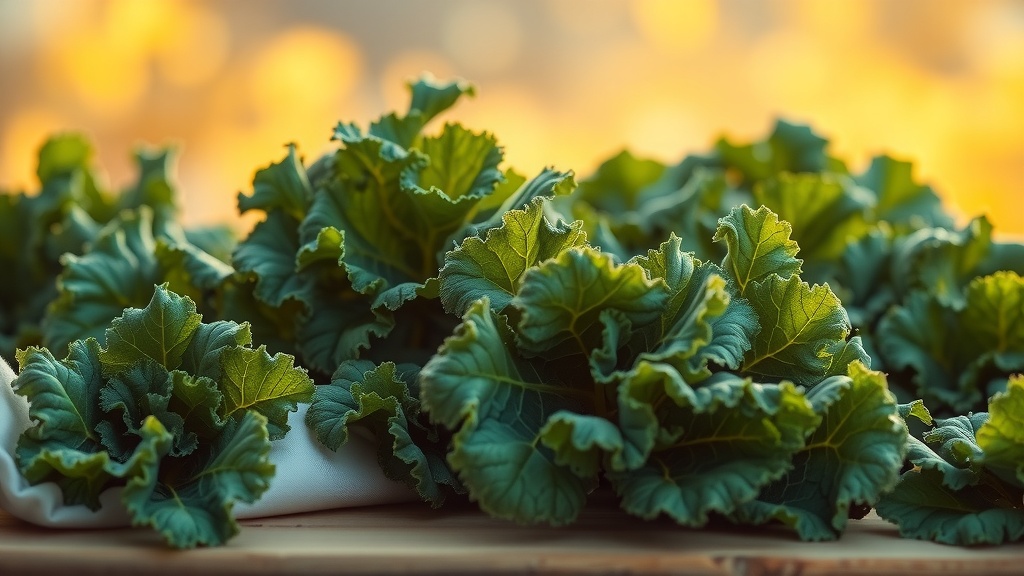
Kale is the kind of vegetable that takes you straight back to a grandmother's garden in late autumn, when everything else has already retreated underground. It stood there in the frost, dark and sturdy, waiting to be picked. Back then we may have eaten it out of habit rather than pleasure. Now, with a little curiosity and a good pan, it can become one of the most satisfying greens in your kitchen.
What kale does for your body
- Strengthens your natural defences. Kale is rich in vitamin C even after cooking, making it a wonderful ally through the colder months when your body quietly asks for extra support.
- Cares for your bones and teeth. It contains a surprisingly generous amount of calcium and vitamin K, which work together to keep bones strong in the most natural way possible.
- Supports digestion and gut comfort. The fibre in kale gently encourages a healthy digestive rhythm and helps maintain the balance of your gut microbiome, which you often feel in your overall mood and energy.
- Gives energy without heaviness. Kale is light on the stomach but rich in iron, magnesium, and B vitamins, so that familiar afternoon slump becomes a little less inevitable.
- Protects cells with gentle antioxidants. Beta-carotene and lutein found naturally in kale help shield your cells from everyday wear, and over time contribute to healthy-looking skin and eyes.
How to choose, store, and prepare kale
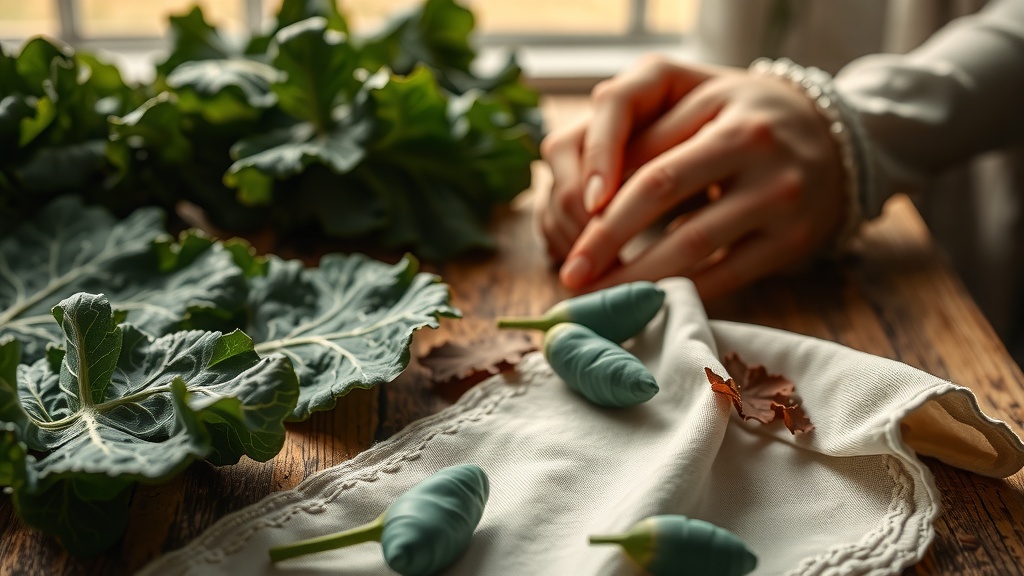
When choosing kale at the market or shop, look for firm, deeply green leaves with no yellowing. The darker and more robust the leaves, the more goodness they hold. One beautiful thing about kale: it actually improves after the first frost, because the cold converts its starch into natural sugars, making it noticeably sweeter. At home, wrap it in a slightly damp cloth or keep it in a perforated bag in the fridge, where it will stay fresh for a week or more.
How you prepare it depends on what you are in the mood for. A quick sauté in a little butter or olive oil keeps most of the nutrients intact and leaves the leaves pleasantly tender with a slight bite. If you are adding it to a soup or a slow-cooked dish, stir it in near the end so it holds its colour and flavour. Raw kale, sliced finely and massaged with a squeeze of lemon juice and a pinch of salt, softens beautifully within half an hour and makes a wonderful base for a winter salad.
Try kale crisps as an afternoon snack
One of the loveliest ways to fall in love with kale is to make it into crisps at home. Tear the leaves away from the tough central stems, break them into generous pieces, and toss with a drizzle of olive oil, a pinch of salt, and a little smoked paprika if you like. Spread them on a baking tray lined with parchment and bake at 160°C for about 15 minutes. They come out light, crispy, and genuinely addictive. Even children who normally push kale to the side of the plate tend to reach for these on their own.
Kale is simply waiting to be rediscovered. Try adding it to a soup this week, tossing together a quick salad, or baking a tray of crisps for a slow Sunday afternoon. It is one of those small, nourishing choices that quietly adds up to something lovely.