
Ants are, if you stop to think about it, genuinely remarkable creatures. They can detect a single drop of honey through a closed window, navigate complex routes with ease, and function as one living, breathing organism. But when they decide that their route runs straight across your kitchen counter – admiration tends to fade quickly. The good news is that you do not need harsh chemicals to discourage them. Nature offers plenty of things ants simply do not like.
First, understand why they came
Ants do not enter homes out of spite. They are looking for food, water, or shelter from the cold. The first spring scouts are essentially advance parties – if they find nothing interesting, they go back and report that to the colony. That is why the most effective strategy is removing temptations before word gets out. Wipe down surfaces after cooking, store sugar and honey in glass jars with lids, and do not leave a pet food bowl out overnight. This alone can work wonders.
Natural scents ants cannot stand
Ants communicate through pheromones – chemical trails left for others to follow. Strong natural scents disrupt those trails and disorient them. Try these simple helpers:
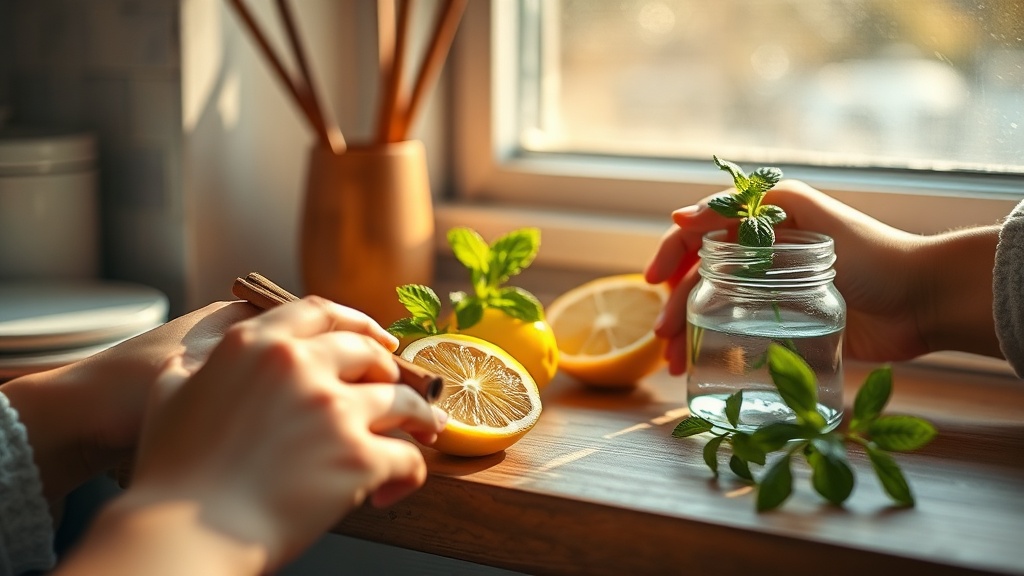
- Cinnamon – sprinkle a thin line along door thresholds, windowsills, or behind the sink. Ants are reluctant to cross it, and the scent lasts surprisingly well.
- Lemon juice or zest – wipe down surfaces where ants travel. The acid in citrus breaks down their scent trails.
- Peppermint – fresh, dried, or a few drops of essential oil on a cotton ball tucked into cupboard corners. It smells wonderful to you, and unbearable to them.
- Cloves – an old kitchen ally that works much like cinnamon. A few whole cloves in the corner of your pantry never go amiss.
- White vinegar – diluted in a spray bottle, it is excellent for wiping counters and floors. The smell fades quickly for you, but leaves an invisible wall ants will not cross.
Physical barriers – where scent is not enough
Sometimes the simplest solution is mechanical. Walk around your windows, door frames, and anywhere pipes enter the wall – these are favourite entry points. Diatomaceous earth is a fine natural powder available at garden centres and health shops. Dusted along baseboards or behind appliances, it acts as a physical barrier – harmless to people and pets, but deeply unpleasant for ants. A thin line is all you need.
If you have a garden or terrace, look at where ants are actually entering the house. Sometimes moving a pot plant that sits flush against the wall – acting as a little bridge – is all it takes.
A natural repellent spray – ready in five minutes
Mix in a small spray bottle: 200 ml of water, a tablespoon of white vinegar, and 15 drops of peppermint or tea tree essential oil. Shake and spray along thresholds, behind the sink, and around windows. Repeat every few days or after cleaning. It smells fresh, works naturally, and takes less time to make than finding a chemical spray at the supermarket.
What to do when there are a lot of them
If ants have already nested inside – in a wall cavity or under the floor – it helps to find the nest. Follow the column and see where it leads. If you can reach the entrance, dust it with diatomaceous earth or cinnamon. Patience pays off: without access to food and with their trails disrupted, the colony will usually move its attention elsewhere on its own.
And here is something that might surprise you: ants outside are actually your allies. They aerate the soil, break down organic matter, and hunt other insects. The goal is simply to draw a clear line – welcome outside, not inside. Nature understands boundaries perfectly well. You just need to remind it where yours are.
One small step for this week
Pick one thing from this article and try it today. Move your sugar into a glass jar. Wipe the counter with diluted vinegar. Tuck a few cloves into the pantry. There is no need to do everything at once – one small step is always better than none. And if that first spring scout does appear on your windowsill, you will be ready. Calmly, naturally, and without a single drop of chemicals.