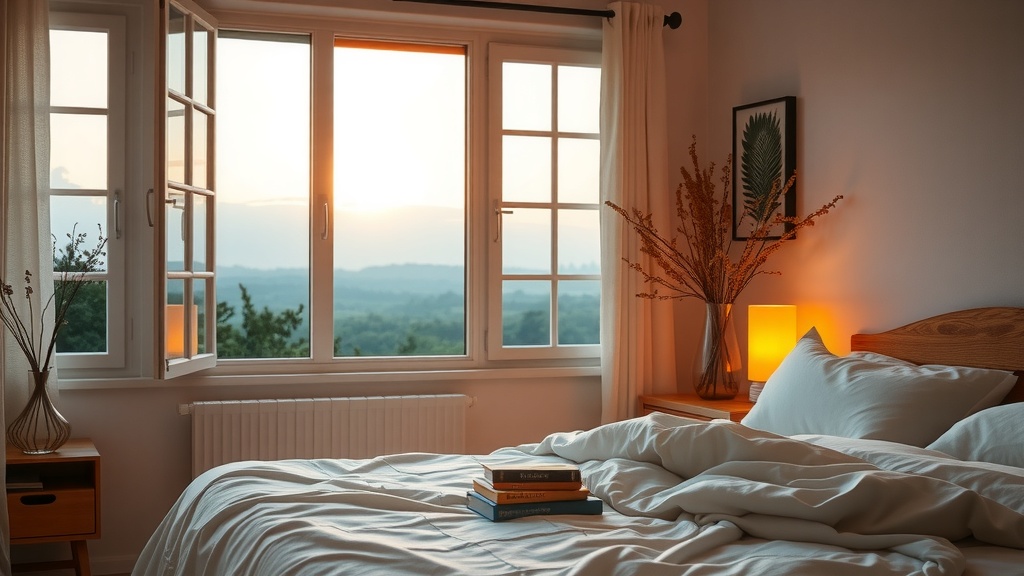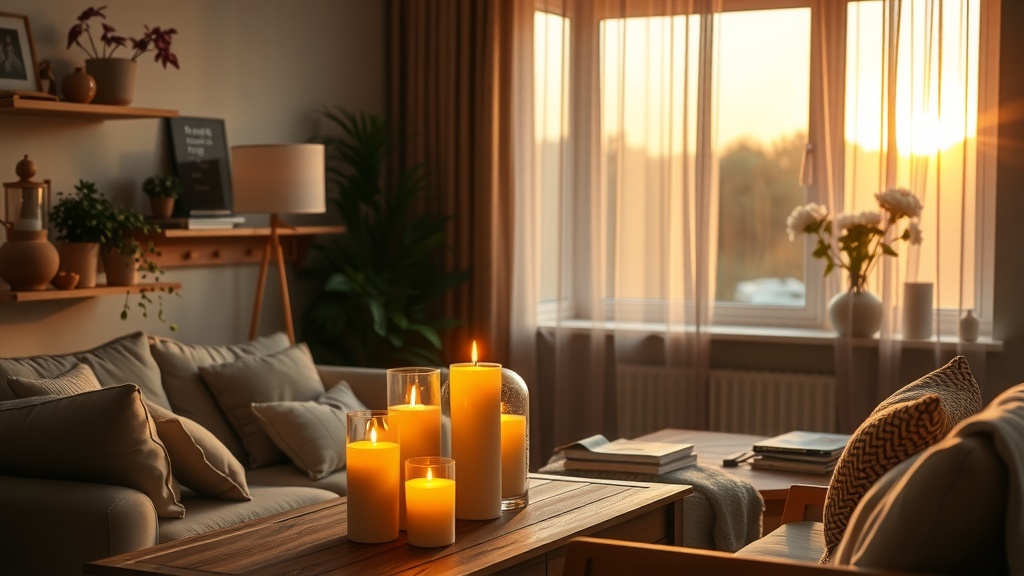
I remember lying awake night after night, having done everything right. No phone, cool bedroom, magnesium on the nightstand, chamomile tea going cold on the table. Something still wasn't working. The answer, it turned out, was right above my head. Literally. It was the light. The bright, white, sharp overhead light still blazing in the living room an hour before bed.
Why light matters more than we realise
Our bodies follow a natural rhythm that evolved over thousands of years. In the morning, the sun rises with bright, bluish light that tells us: wake up, move, go out into the world. In the evening, the sun sets and the sky turns amber and rose. That is the signal for the brain to slow down, soften, and prepare for sleep.
Modern homes interrupt this natural transition. Overhead lights, bathroom fluorescents, phone screens – all of them emit cool, bluish light that the brain reads as still daytime. Melatonin, the hormone that eases us into sleep, gets produced late or barely at all. And then we wonder why we can't switch off.
Amber light as a natural evening ritual
The solution is surprisingly simple, and honestly quite beautiful. After dark, switch to warm, amber light. Warm-toned bulbs, candles, salt lamps, or a small bedside lamp with an orange glow can transform the entire feeling of an evening.
Warm light has a different quality than cool white light. The brain doesn't read it as a call to alertness. Instead, it feels like the natural fading of the day. The body begins to settle on its own, without any effort on your part.
Think of sitting by a campfire or a single candle. Your eyes go soft, your shoulders drop, your thoughts slow down. That is exactly what warm light can do in your living room.
How to make it work at home
You don't need to replace every bulb in the house at once. Start slowly, in the rooms where you spend your evenings.
- Living room: Swap the overhead bulb or add a floor lamp with a warm bulb. Look for 2200–2700 K on the packaging. The lower the number, the warmer and more amber the light.
- Bedroom: Ideally, no overhead light at all in the evenings. A small bedside lamp with a soft, warm glow is more than enough.
- Bathroom: This one is trickier, since you need to see clearly. Try adding a second warm lamp and using the main light only when you genuinely need it.
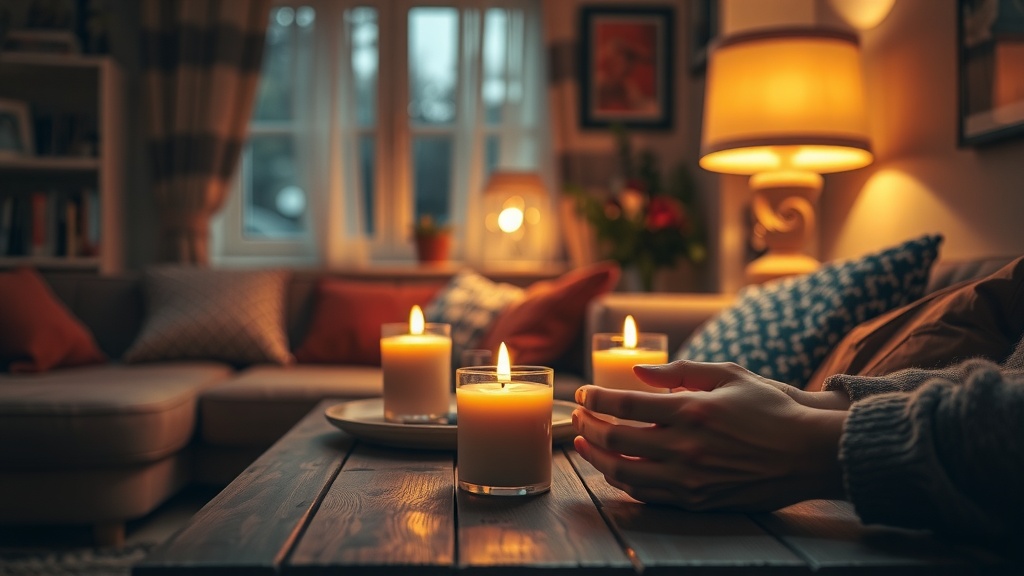
- Candles: Naturally amber, and the gentlest light there is for both eyes and brain. A few candles on the table in the evening do more than you'd expect.
When to make the switch
About two hours before you want to sleep is a good moment to dim the bright lights and move to lamps or candles. If you go to bed at eleven, try switching from nine onwards. It may feel a little unusual at first. Within a few days, though, you'll notice that tiredness arrives more naturally, and falling asleep stops feeling like a task.
One thing that genuinely surprised me: once I started using warm light in the evenings, I reached for my phone far less often. The bright screen suddenly felt jarring, almost uncomfortable. My body had simply started asking for quiet on its own.
Morning light, evening warmth
The whole rhythm works as a natural balance. In the morning, get outside as early as you can, even for ten minutes, or at least sit by a bright window. Strong morning light sets your internal clock and the whole day flows more easily from there. In the evening, dim and warm the light around you. The body gradually learns when it's time to rest.
Sleep isn't only about what happens in the bedroom. It's the result of the whole day, from the first light in the morning to the last glow in the evening. And that one small change, an amber bulb instead of a cool white one, might just be the missing piece you've been looking for.