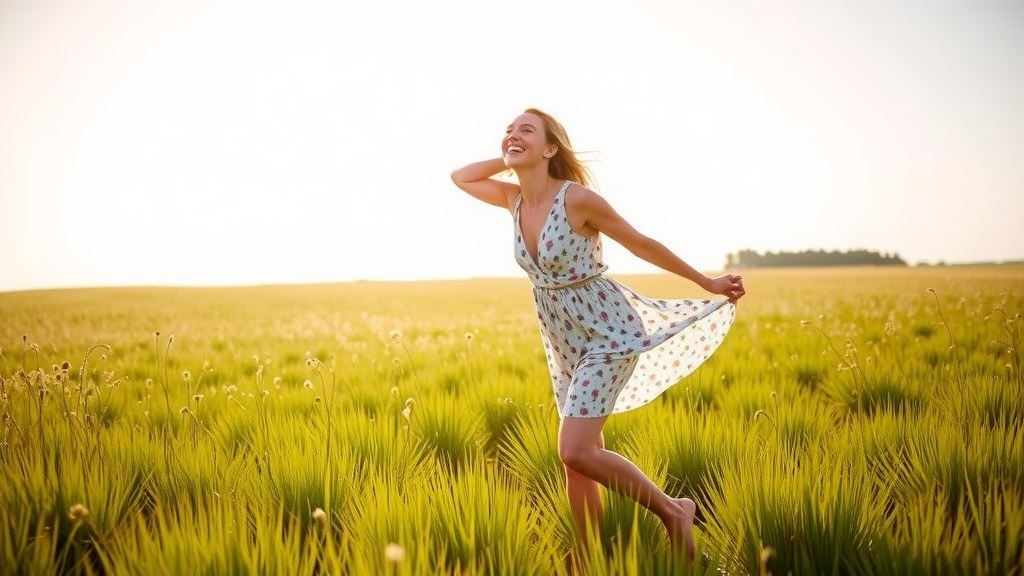
It was completely spontaneous. A friend stopped in the middle of the park, took a run-up and did a cartwheel. Just like that. No reason. And I laughed until my stomach hurt. In that moment I realised how long it had been since I had laughed like that. How long I had simply been functioning, instead of actually enjoying myself.
Joy is not a reward. It is a need.
We tend to postpone lightness until the weekend, until the holiday, until everything is done. But that moment never quite arrives. Joy is not a luxury we earn after finishing our duties. It is daily nourishment, as essential as food or sleep. A body that never laughs gradually closes in on itself. Muscles tighten, breathing becomes shallow, the eyes grow tired.
And yet so little is needed. Really, so very little.
Movement that is not exercise
There is a beautiful difference between exercising and moving for pure joy. Exercise has a goal, a result, a performance. Movement for joy has none of that. Just you and the moment.
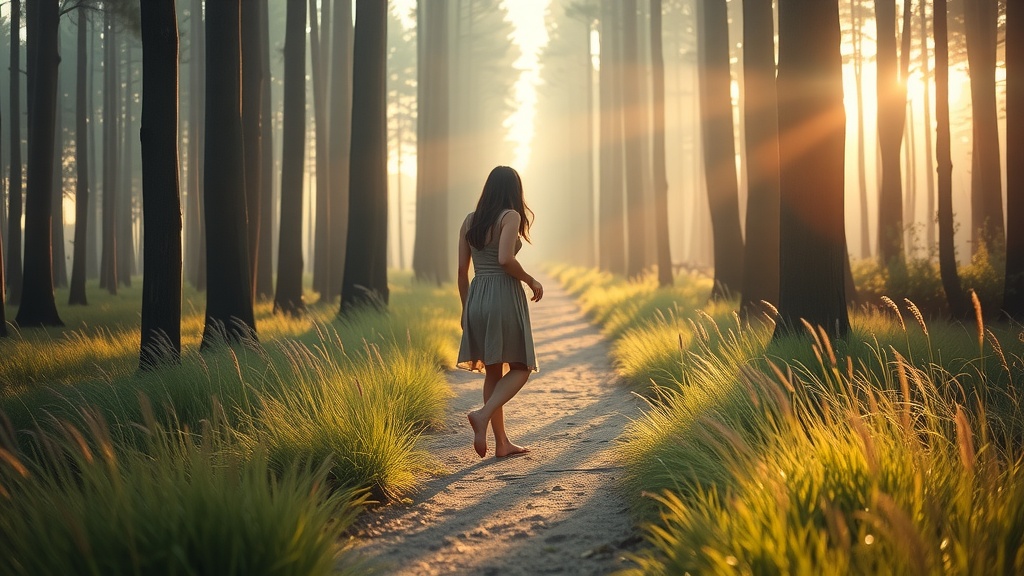
Try to remember how you moved as a child. You ran for no reason. You jumped over puddles. You spun in circles until the world tilted. Your body has not forgotten that kind of movement. It has simply stopped receiving it.
- Run a stretch of your walk without headphones, without an app, without tracking your pace. Just legs and air.
- Spin around in a meadow or your living room. Three or four times. Notice how you are suddenly smiling.
- Attempt a cartwheel or at least a brave try at one. Falling into the grass absolutely counts.
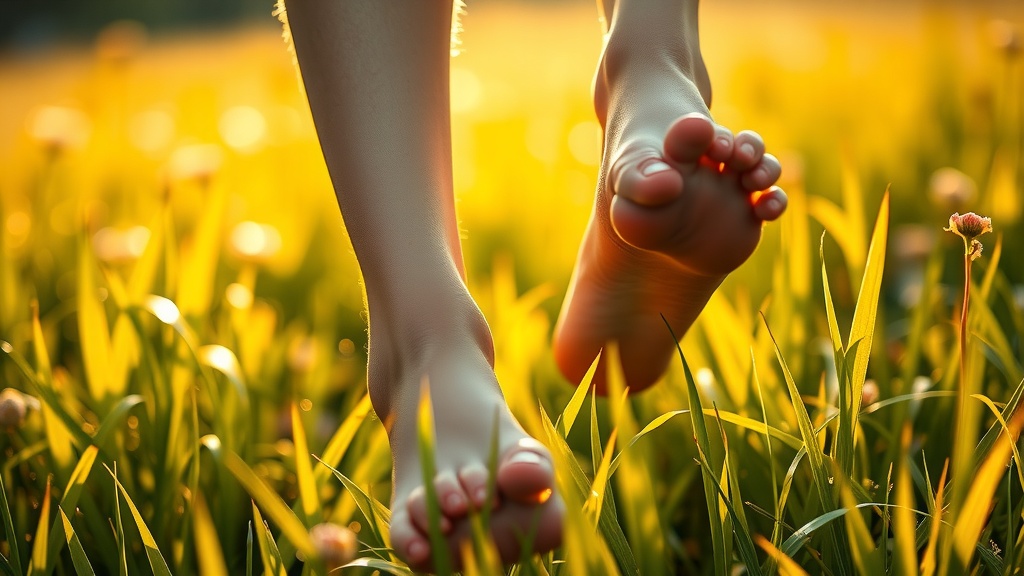
- Jump in a puddle in your wellies. Or barefoot, if it is summer.
Small rituals that invite lightness
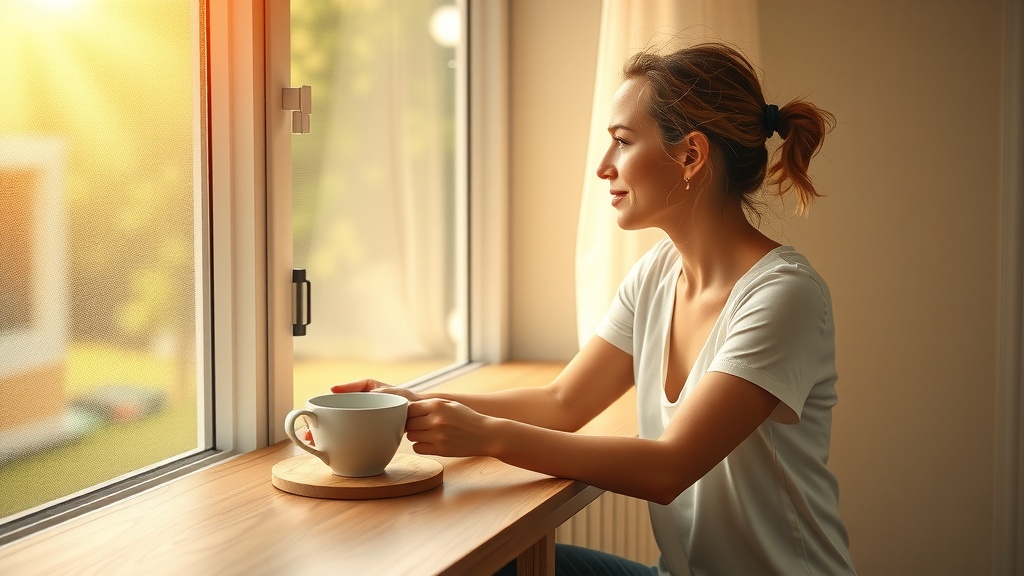
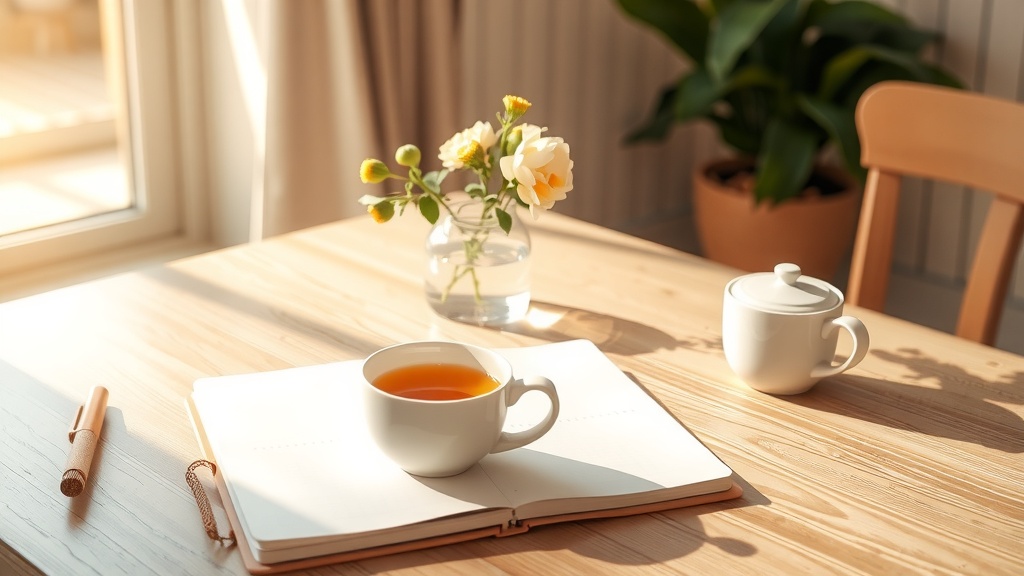
Joy does not have to be a grand occasion. It often arrives in small things we consciously allow ourselves. Dancing by the coffee maker while your favourite song plays in the morning. Drawing something in a notebook, even if you cannot draw. Making tea in the prettiest cup you own and sitting by the window without your phone.
One thing that works with surprising reliability: counting dogs on your walk. It sounds silly, but try it. Suddenly you are walking with open eyes, noticing your surroundings, smiling at strangers. The walk transforms from an obligation into a small adventure.
Nature as a playground
Forest, meadow, river. These places awaken something in us that asphalt and screens suppress. Nature invites playfulness naturally. Climbing a rock. Collecting interesting stones. Sitting on the ground and watching ants. The sounds of the forest carry a rhythm that calms the nervous system in a way no podcast can replicate.
Next time you go out into nature, try leaving your phone in your pocket for the entire walk. Notice what you begin to see.
Digital detox as a doorway to joy
Doomscrolling is the precise opposite of joy. We sit, stare at a screen, absorb bad news, and our bodies respond as though facing real danger. Muscles tense, breathing shortens, mood drops. And we were only sitting on the sofa.
Try one evening a week without screens. Not because it is healthy, but because of what happens instead. Suddenly there is time for play. For conversation. For picking up coloured pencils and drawing whatever comes to mind. For reading a book simply because it brings you pleasure.
Joy does not appear on its own until we make space for it. And that space opens up the moment we put the phone down.
Start today, with one small thing
You do not need to change your whole life. One thing is enough. This afternoon, go outside and run a little stretch just for the sake of it, with no destination. Or play a favourite song from childhood and sing along out loud. Or call a friend who always makes you laugh and tell her you were thinking of her.
The body remembers joy. It just needs a gentle reminder.