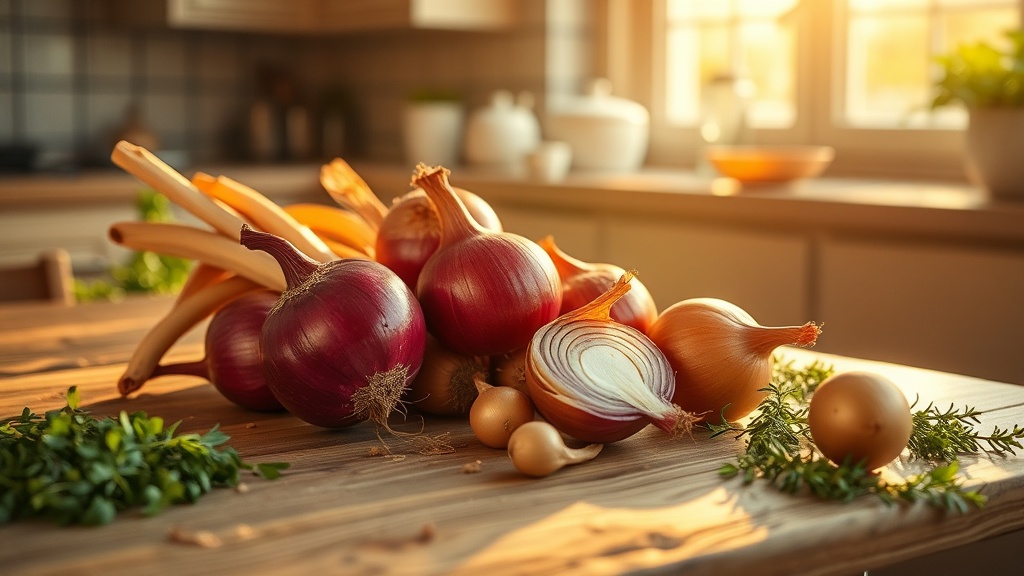
Think of your grandmother, chopping onions into soup or tucking them into almost every dish – without thinking, simply out of habit. She may have known more than she realised. Onions are among the oldest cultivated plants in the world, and they have held a place in folk medicine for as long as anyone can remember. Today, though, we mostly treat them as a base for a stir-fry or the thing that makes us cry at the chopping board. Let us look at them differently – as a small, everyday helper that is literally within arm's reach.
What is actually hiding inside an onion
Onions are full of naturally beneficial compounds. They contain quercetin – a plant flavonoid that acts as a quiet balancing agent in the body. Quercetin also appears in apples, kale and green tea, but in onions – especially red and yellow ones – it is particularly abundant.
Onions are also rich in fibre and prebiotics, which nourish the beneficial bacteria living in your gut. And a happy gut? It influences almost everything – mood, immunity, digestion and how you feel after a meal. There is a reason the gut is sometimes called the second brain.
Onions and weight – a quiet kind of balance
Onions are low in calories but surprisingly filling, thanks to their fibre and high water content. Add them to a meal and you naturally increase its volume without adding unnecessary calories. They also help stabilise blood sugar levels, which means fewer sharp energy dips and fewer cravings for something sweet at three in the afternoon.
Next time you eat a meal where onion plays a starring role – a homemade lentil soup, perhaps, or a tray of roasted vegetables – notice how long you feel satisfied afterwards. The body tends to be quietly content.
Cholesterol and the heart – gentle daily care
The quercetin in onions supports the body in maintaining a healthy balance of fats in the blood. This is not an overnight miracle – it is quiet, everyday support that reveals itself over time. Much like a regular walk or a glass of water first thing in the morning. Small things, done consistently, have their own kind of power.
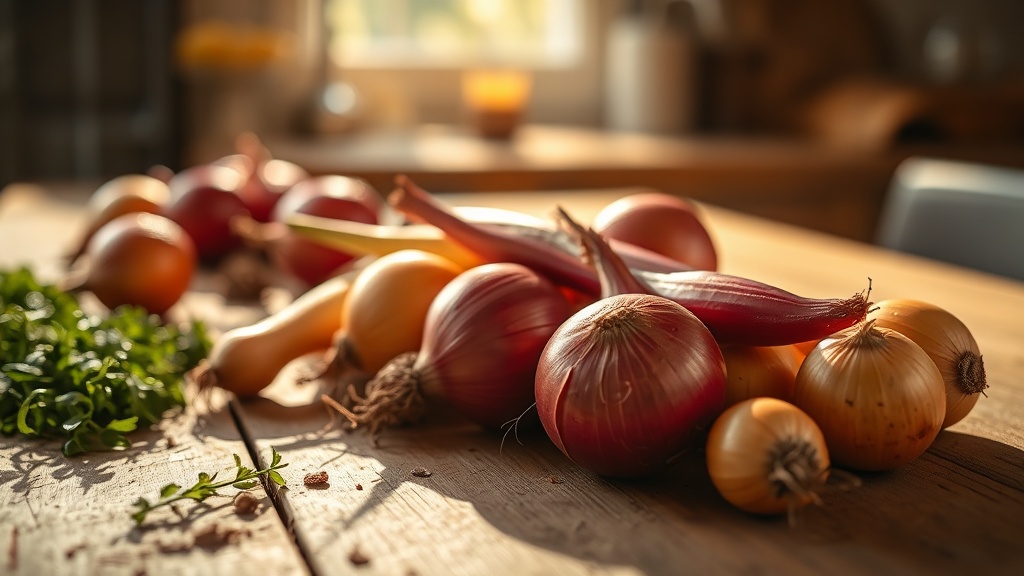
Red onion is particularly interesting here – its dark papery skin and violet layers are packed with antioxidants. Try adding it raw to salads, on avocado toast, or stirred into a simple homemade salsa. Heat breaks down some of these compounds, so raw onion has the edge when it comes to this kind of nourishment.
Hormonal balance – a conversation more and more women are having
Many women today are navigating polycystic ovary syndrome – PCOS. It is a hormonal imbalance that shows up in many ways: an irregular cycle, fatigue, difficulty with weight, or skin that just will not cooperate. Diet plays a significant role in supporting hormonal health, and onions – with their anti-inflammatory properties and gentle influence on insulin sensitivity – can be a natural part of that daily care.
This is not about replacing medical support. It is about complementing it with small, everyday choices – and onion has its place in that mosaic.
How to eat more onion – without forcing yourself
You do not need to bite into one like an apple. Small steps are enough:
- Add it to every soup – even a simple packet soup becomes something better with a fresh onion gently softened in olive oil.
- Red onion in salads – finely sliced or diced, or briefly marinated in lemon juice for a milder flavour.
- Roasted onion as a side dish – in the oven with a little olive oil and thyme, it transforms into something surprisingly sweet and silky.
- Spring onion at breakfast – chopped over eggs, stirred into cottage cheese, or scattered on a slice of wholegrain bread with butter.
A small surprise to finish with
Here is something quietly beautiful about onions: the longer you cook them, the sweeter they become. The sharp compounds break down and the natural sugars caramelise into something gentle and golden. A small reminder that patience has its rewards. And perhaps a little metaphor for caring for your health – not through dramatic changes, but through slow, loving steps, day after day.
So next time you reach for an onion, give it a moment of appreciation. This plain, papery vegetable has earned it.