You are standing in a shop, holding a yogurt or a cereal bar, and on the back there is something printed in tiny letters that reads like a chemistry equation. Most of us skip right past it. And yet that is exactly where the answer lives, the answer to what we are actually eating. There is no need to feel afraid or overwhelmed. You just need to know what to look for.
The ingredient list speaks, when we listen
There is one golden rule that holds in every supermarket in the world: ingredients are listed from the largest quantity to the smallest. Whatever comes first is what the product contains most of. So if a cereal bar opens with glucose-fructose syrup or palm oil, you know straight away what you are holding. If it starts with oats, nuts or fruit, that is already a good sign.
What is interesting is that manufacturers sometimes split sugar into several different names, things like sucrose, dextrose, maltose and corn syrup, so that none of them appears at the top of the list. The total amount of sugar quietly disappears from view. Once you know this trick, you start seeing it everywhere.
Ingredients that might surprise you
Industrial food processing has brought with it ingredients most of us would never think to question. Cellulose, essentially plant fibre derived from wood pulp, is added to some shredded cheeses and ice creams to stop them clumping. It is not harmful in itself, but it shows how far a processed product can travel from its original ingredient.
The same goes for carrageenan, a thickener made from seaweed, which you will find in some plant milks and whipped creams. Or phosphates in processed meats, which improve texture but can put strain on the kidneys in larger amounts. This is not about alarm. It is about awareness, the kind that helps you choose.
Fresh ingredients need no list
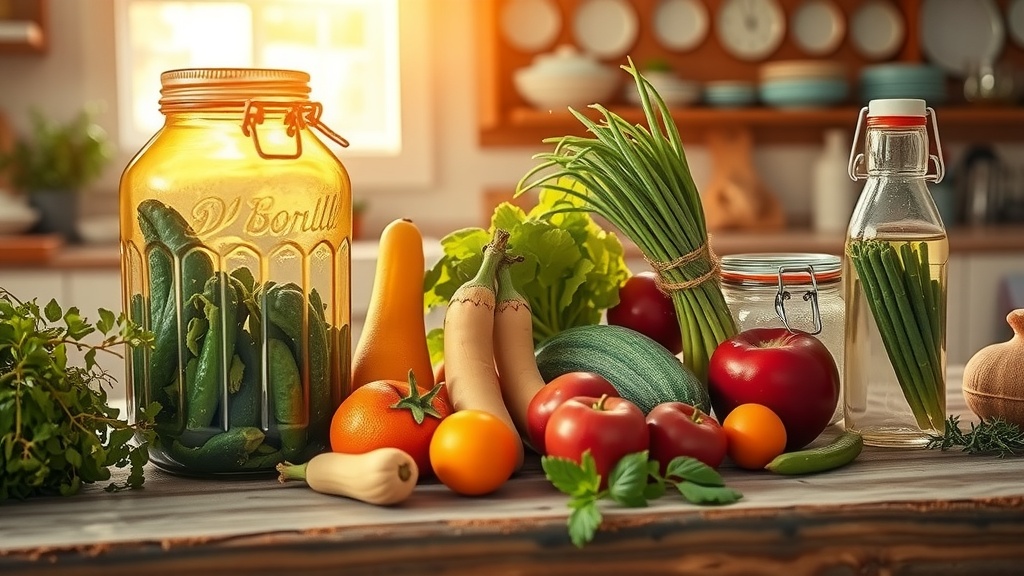
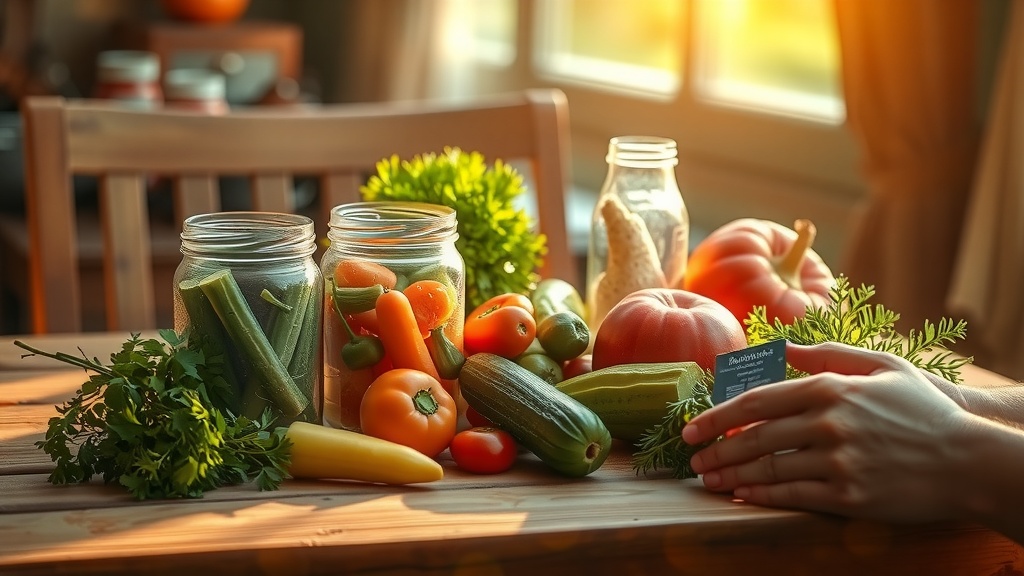
Here is one of the most beautiful observations you can take away from this whole topic: a carrot has one ingredient. An apple is an apple. Lentils are lentils. The closer you stay to food in its natural form, the shorter the label, and the less you have to decide.
Cooking at home from fresh ingredients is not just a romantic idea from cookbooks. It is the simplest way to know what you are eating. You do not have to cook from scratch every single day. But even one extra home-cooked meal a week is a step that genuinely counts.
How to make shopping simpler
You do not need to become an expert in food chemistry. A few small habits, practised gently, are enough:
- Read the label on one new product each week. Just one. You build knowledge slowly, without overload.
- Look for short lists. Five ingredients is a very different world from twenty-five.
- Watch out for sugar appearing under multiple names. Syrup, dextrose, maltose, fruit juice concentrate – it is all sugar.
- Choose products whose ingredients you recognise from your own kitchen. Butter, eggs, flour, honey, vanilla – words you understand without a dictionary.
A small shift, a quiet peace
Reading labels is not about living in constant fear of what you eat. It is about being a little more present while shopping, the same way you are present on a walk in the forest or while cooking something you love. It is a form of self-care that requires no special equipment and no hours of study.
Start with one thing that is in your fridge or cupboard right now. Turn it over, read the ingredients, and ask yourself: do I recognise these? Do I feel comfortable with them? This simple gesture, repeated slowly and without pressure, can quietly transform your shopping basket over time. And with it, the way you feel.