Think about the last time you thought about your bones. Probably when something hurt, or when you heard about a friend's broken wrist. Bones are the quiet foundation of everything – and that's exactly why they deserve a little more attention than we usually give them. Not fear, not complicated supplements. Just a little kindness in everyday eating.
What bones actually need
Bone is not dead matter. It's living tissue that constantly renews itself, absorbs minerals, and responds to what we eat, how we move, and how well we sleep. It needs calcium, magnesium, vitamin D, vitamin K2, protein, and a whole range of trace elements. And this is precisely where ultra-processed foods fall short.
Biscuits wrapped in plastic film, instant soups, processed meats full of additives, sugary drinks, crisps – these foods have one thing in common. They are tasty, accessible, and quick. But they are empty. They carry none of what bones need to build and renew themselves. Worse, they contain substances that actively pull minerals out of the body: excess sodium, phosphate additives, and refined sugar. The body then dips into its own reserves – and over time, the bones feel it.
Real food as everyday care
The good news is that nourishing your bones is simple and delicious. No special programme or expensive supplements needed. It's about returning to what people have eaten for centuries.
- Dairy and its alternatives – yoghurt, kefir, hard cheeses, or fortified plant-based drinks are rich in calcium. Fermented versions also support the gut, which is where minerals are absorbed.
- Leafy greens – spinach, kale, broccoli, and rocket contain both calcium and vitamin K, which helps deposit minerals into bone. A handful of greens at lunch is a small habit with a lasting effect.
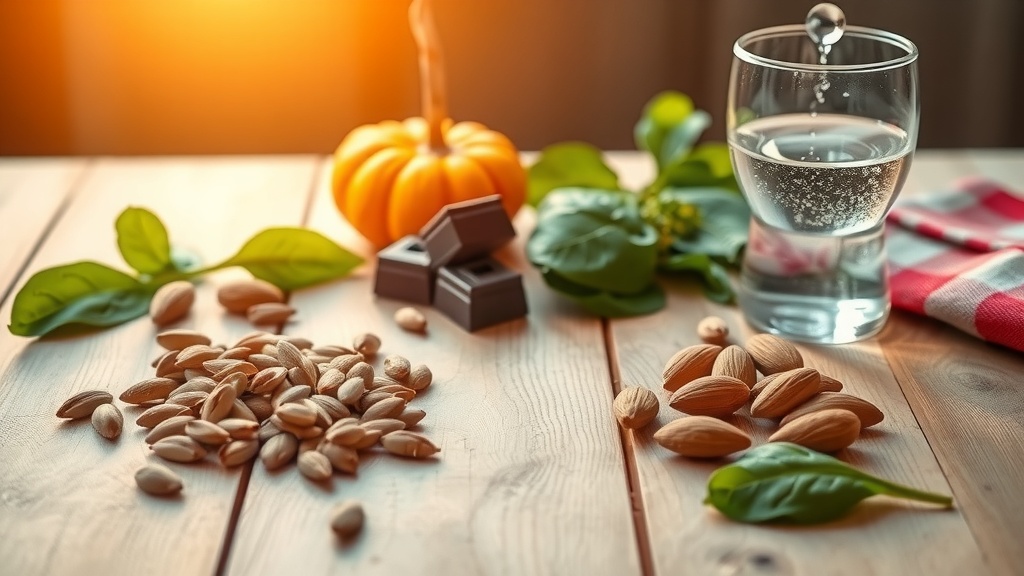
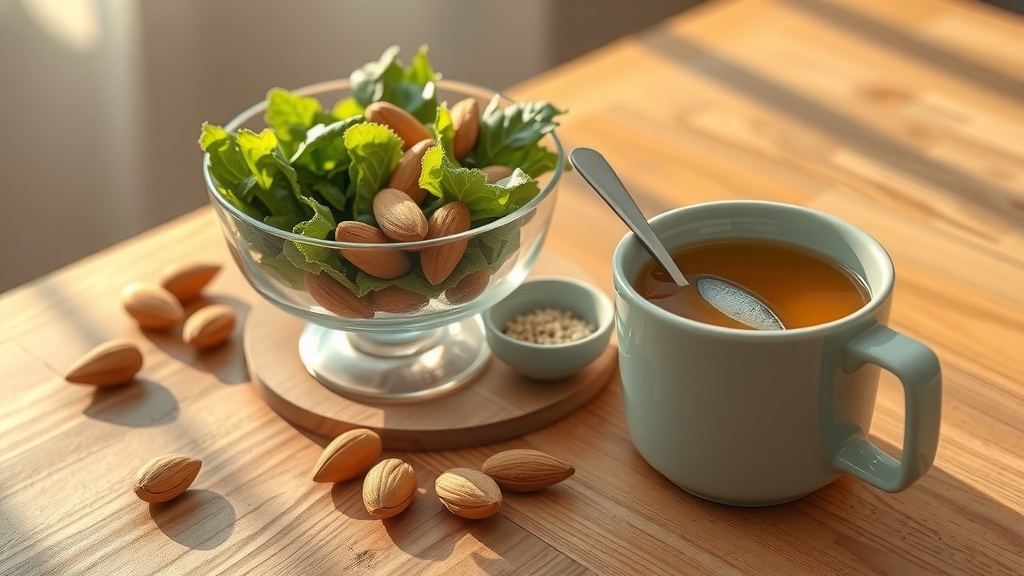
- Legumes and nuts – lentils, chickpeas, almonds, and sunflower seeds deliver magnesium, which is just as important for bone strength as calcium, though it gets far less attention.
- Oily fish – sardines, mackerel, and salmon are among the few natural sources of vitamin D. In winter months without enough sun, they genuinely make a difference.
- Homemade bone broth – slowly simmered broth is a beautiful example of how traditional cooking intuitively knew what the body needed. Collagen and minerals pass directly from the bones into the liquid.
Sun and movement: the pair nothing can replace
Food is the foundation, but it's not enough on its own. Vitamin D is made by the body from sunlight – and no food can deliver as much as fifteen minutes in direct sun. In summer, a short walk with your hands and face uncovered does the job beautifully. In winter, a supplement is worth considering, especially if you spend most of the day indoors.
Movement works on bones directly. Every step, every flight of stairs, every little dance in the kitchen sends bones a signal: you are needed, stay strong. Bones respond to load by becoming denser and firmer. Walking, yoga, dancing, gardening – all of it counts.
One thing to try this week
Choose one ultra-processed product you buy regularly and try replacing it with a homemade or natural version. Swap instant soup for a simple homemade broth with noodles. Trade a sugary snack bar for a handful of almonds and a square of dark chocolate. Replace a fizzy drink with water and a slice of lemon, or a herbal tea.
This isn't about perfection. It's about one small step that becomes a habit over time. And your bones – quiet, patient, load-bearing – will thank you for it twenty years from now.
A beautiful thought to close with
Bones are the only part of us that literally remains after we are gone. They are a record of how we lived. Every mineral, every movement, every meal cooked from fresh ingredients is quietly written into them. It's a lovely thing to know that caring for them doesn't have to be complicated. Cook real food, go outside, move your body. Just as the generations before us did.