Think of a day when you felt heavy and foggy after lunch – not just full, but somehow burdened. That was not simply overeating. Your body responds to everything you give it, and sometimes that response unfolds quietly beneath the surface. Inflammation is not always visible or felt as pain. It can show up as tiredness that never quite lifts, as skin that refuses to settle, or as a vague sense that your body is just not at ease. And often, the answer is right there on your plate.
What inflammation in the body actually means
Inflammation itself is not the enemy. It is a natural defence response – the body protecting, healing, guarding itself. The trouble begins when this state lingers quietly, day after day, without an obvious cause. And one of its biggest everyday triggers is what we eat. The beautiful flip side of this is that just as food can fan the flames, food can also calm them. The kitchen is a powerful place.
Foods that quietly wear the body down
This is not about creating a list of forbidden things. It is about recognising what genuinely does not agree with your body – and slowly replacing it with something kinder.
- Ultra-processed foods – crisps, instant soups, ready meals in plastic trays. Packed with added fats, salt and substances the body struggles to process.
- Refined sugar and white flour – they cause rapid blood sugar swings, followed by fatigue and irritability. The body ends up in a constant state of fluctuation.
- Hydrogenated and overheated fats – cheap vegetable oils heated to high temperatures, margarines. The body does not know what to do with them.
- Alcohol in larger amounts – it burdens the liver and disrupts the body's natural renewal processes.
- Processed meats and deli products – full of preservatives and additives the body treats as foreign.
Perfection is not the goal. Awareness is. The aim is simply that these foods are not the foundation of every single day.
What calms and nourishes the body instead
Here is where it gets genuinely lovely: anti-inflammatory eating is not a diet. It is a way of eating colourfully, satisfyingly and with pleasure. Nature has given us exactly what we need.
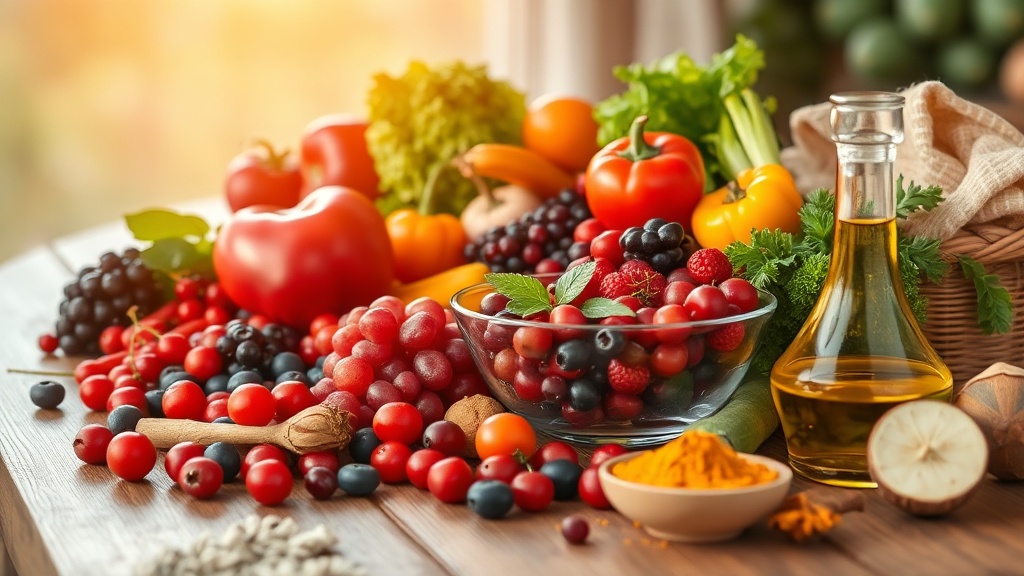
- Vegetables in every colour – the more varied your plate, the better. Broccoli, beetroot, spinach, carrots, peppers. Each colour carries different compounds the body is grateful for.
- Berries and fruit – blueberries, raspberries, cherries. They contain substances that help the body manage oxidative stress – a kind of daily tidying-up from the inside.
- Oily fish – salmon, sardines, mackerel. Omega-3 fatty acids are among the most powerful natural tools for calming inflammation.
- Extra virgin olive oil – Mediterranean cooking has always known why. Use it cold, on salads or drizzled over bread instead of butter.
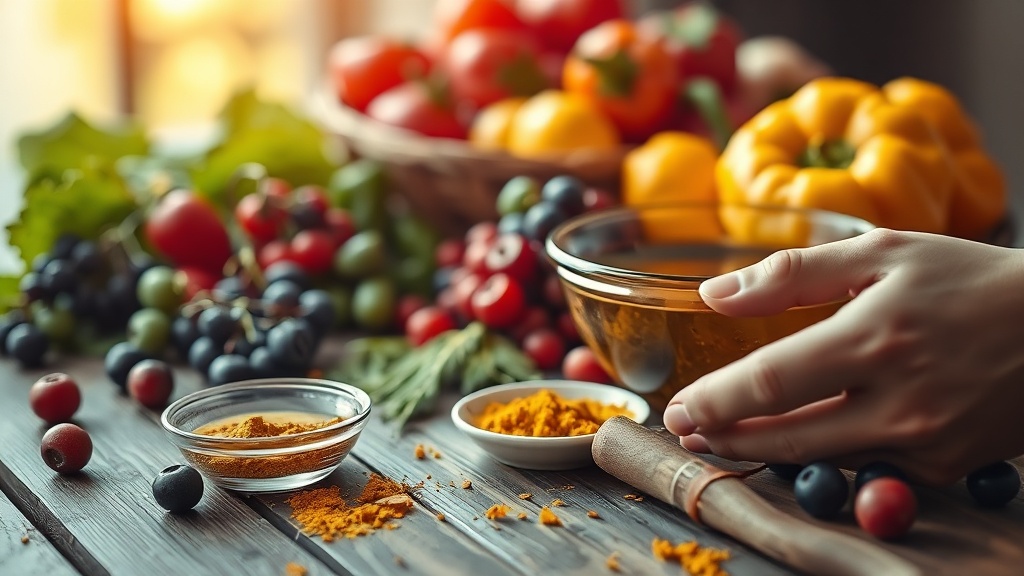
- Turmeric and ginger – add them to soups, teas or smoothies. Their effects are gentle but noticeable with regular use.
- Legumes and whole grains – lentils, chickpeas, buckwheat, oats. Fibre feeds the gut microbiome, which plays a central role in how inflammation behaves.
One surprising and beautiful observation
The gut and the brain are connected by a direct nerve pathway – the so-called gut-brain axis. When the gut feels well, the brain knows it. When the gut is struggling, the brain knows that too – and it shows up in your mood, your focus, your energy. Anti-inflammatory eating is therefore not just about the body. It is care for your whole self.
One small step you can take today
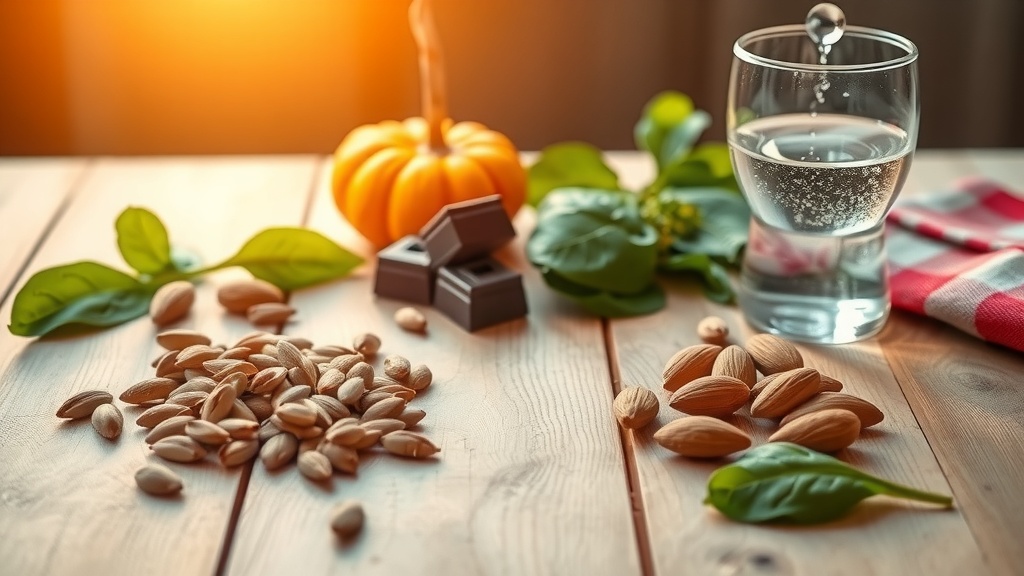
Do not start a revolution. Start with one meal. Today's lunch – add a handful of spinach, drizzle with olive oil, scatter some seeds on top. Or make yourself a cup of ginger and turmeric tea this evening with a drop of honey. Your body will notice sooner than you expect. And you will notice, gradually, that you feel lighter – not because you banned something, but because you added something good.