The brain is a quiet workhorse. It never complains, never takes a day off – and yet we so easily overlook it when planning what to eat. We think about our waistline, our energy levels, our digestion. But the brain? It somehow always ends up last. And yet it stands behind every thought, every step, every embrace.
What the Brain Loves – and What Quietly Wears It Down
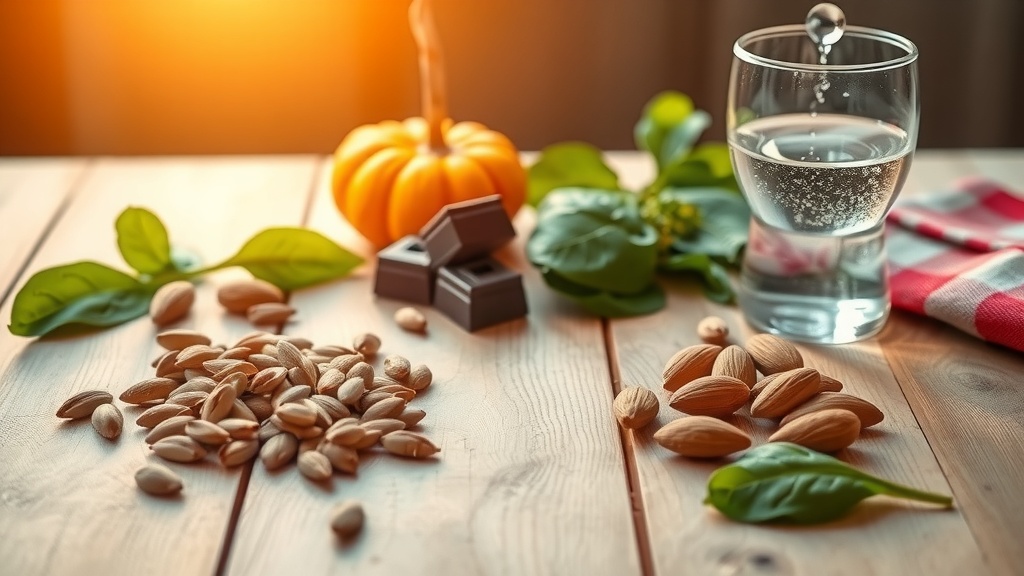
The brain is largely made of fat – and it needs quality, natural fats to function well. Olive oil, avocado, a handful of walnuts, a spoonful of flaxseed stirred into morning porridge. These are the things that truly suit it. Industrially processed foods, excess sugar, and meals full of chemical additives burden it in ways we may not feel right away – but the body remembers.
One thing that surprises many people: fresh herbs are not just plate decoration. Rosemary, turmeric, sage – these are friends of the nervous system that our grandmothers added to food quite naturally, without knowing exactly why. Instinct is sometimes wiser than any list.
Milk, Galactose, and One Interesting Question
In recent years, there has been growing conversation about how various components of everyday food affect long-term brain health. One topic that has surfaced is galactose – a milk sugar that forms naturally when the body digests dairy. The body can process it, but only up to a point. When too much arrives, it can accumulate in cells and act as a kind of burden.
This doesn't mean you need to clear all the milk from your fridge tomorrow. But it is a lovely reminder that variety is wisdom. A glass of freshly squeezed orange juice, a cup of herbal tea, fermented foods like kefir or yoghurt – all of these are quite different from a litre of full-fat milk every day. Moderation and diversity are always good guides at the table.
A Plant-Rich Plate as a Daily Ritual
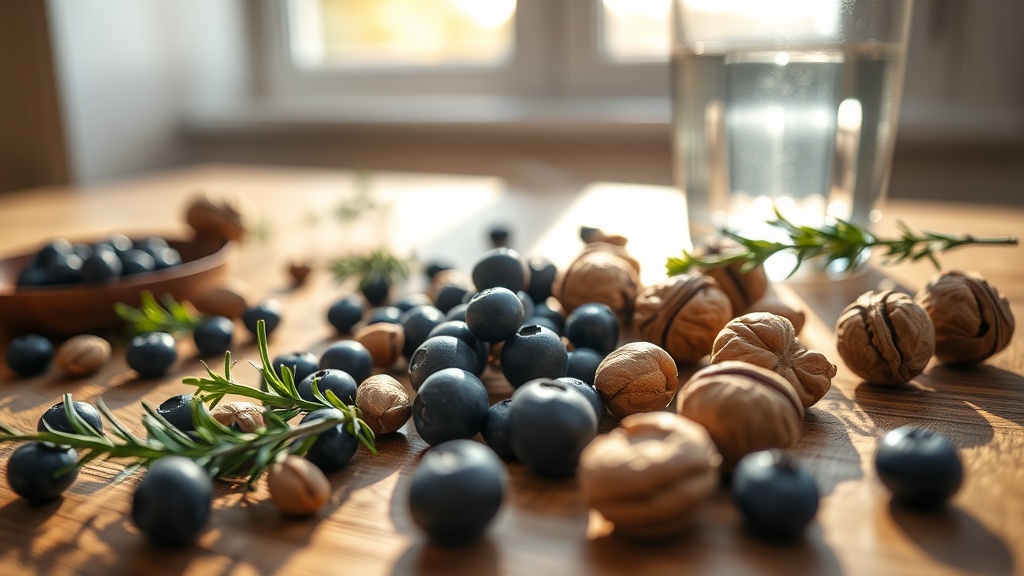
The brain adores antioxidants – and they hide inside colourful vegetables and fruit. Blueberries, beetroot, spinach, broccoli, dark cherries. The more colours on the plate, the better. This isn't complicated science – it's simply the beauty of nature brought to the table.
Try setting yourself a small goal this week: add one extra handful of fresh or lightly steamed vegetables to lunch or dinner. Just one. Your brain will be grateful – even if it says so quietly.
Movement as Part of Brain Nourishment
Food isn't the only thing that benefits the brain. Movement in fresh air – even just thirty minutes walking through a forest or park – increases blood flow to the brain and helps it clear away what has accumulated during the day. Nature is the finest neurologist available to us, and it costs nothing.
A Small Change, a Great Kindness
Caring for your brain doesn't need to be complicated or expensive. You don't need to buy supplements or read scientific papers. It's enough to pause a little more over what you eat each day – and ask not just does this taste good? but also how do I feel after this? The body speaks. We simply need to listen.
Start today, perhaps, by adding a spoonful of ground flaxseed or a handful of blueberries to your breakfast. A small step that your brain will feel – and so will you.