When most of us hear the word starch, we picture a heavy lunch followed by an irresistible urge to nap, or that familiar afternoon slump after a bowl of white rice. But there is one kind of starch that behaves completely differently. It is called resistant starch – and its name tells you everything. It resists. It resists digestion. And that is precisely what makes it so quietly remarkable for your body.
What happens when you eat it
Ordinary starch breaks down quickly in the small intestine, flooding the bloodstream with sugars. You know the feeling – a brief lift, then a drop, then hunger and a craving for something sweet. Resistant starch skips that whole process. It travels all the way to the large intestine, where it becomes food for your gut bacteria. They ferment it and produce compounds that nourish the intestinal lining and help keep the entire digestive system in balance.
Your blood sugar stays calm. No spike, no crash. And because resistant starch moves through your system more slowly, the feeling of fullness lasts noticeably longer – no overeating, no hollow hunger two hours after lunch.
Where to find it – and here comes the lovely surprise
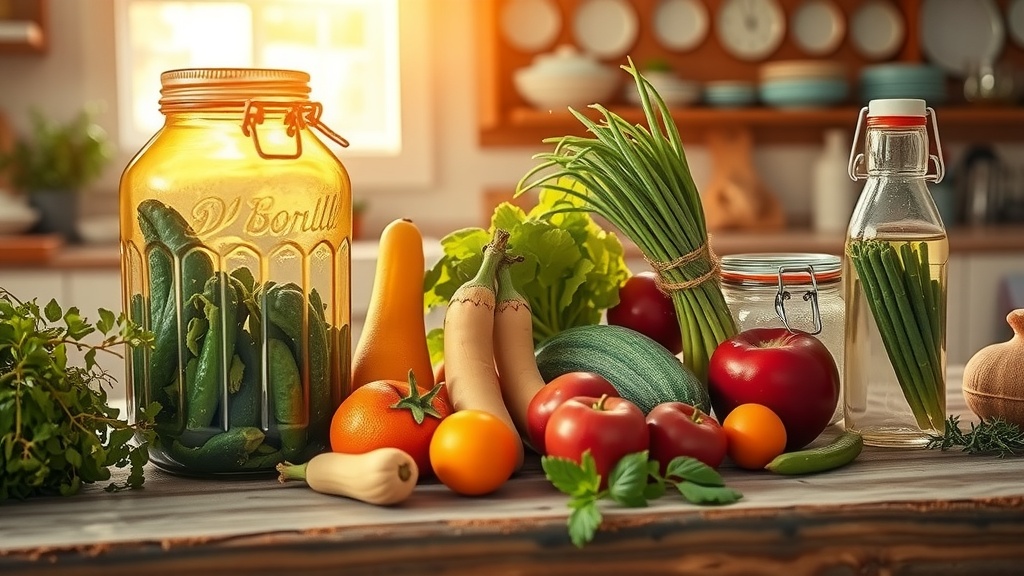
The most beautiful thing about resistant starch is that it does not come from some exotic superfood flown in from the other side of the world. It forms naturally – and sometimes right in your own kitchen, without you doing anything special at all.
- Cooked and cooled rice or potatoes – this is the surprise: when you cook rice or potatoes and let them cool (overnight in the fridge works perfectly), part of the starch transforms into resistant starch. The next day, eaten in a salad or as a side dish, your body processes it in an entirely different way than freshly cooked.
- Green (unripe) bananas – the greener, the more resistant starch. A ripe yellow banana has less, but is sweeter. Both have their place.
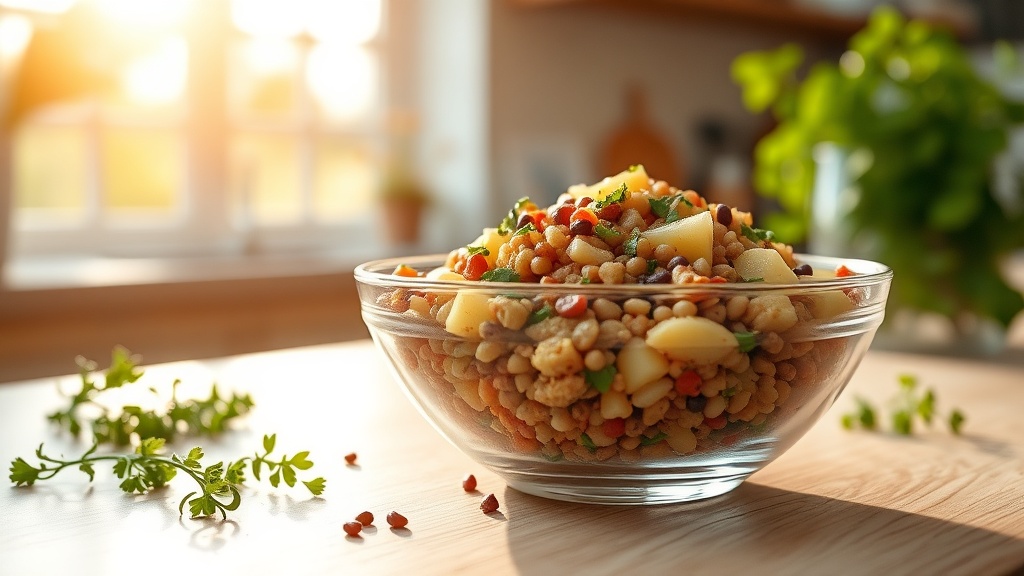
- Legumes – lentils, chickpeas, beans. Old faithful friends that modern cooking has slightly forgotten, but that deserve a warm return to the table.
- Oats – especially those soaked overnight in cold liquid, like overnight oats.
- Buckwheat and barley – grains our grandmothers knew far better than we do.
A small shift in how you cook, a real difference on your plate
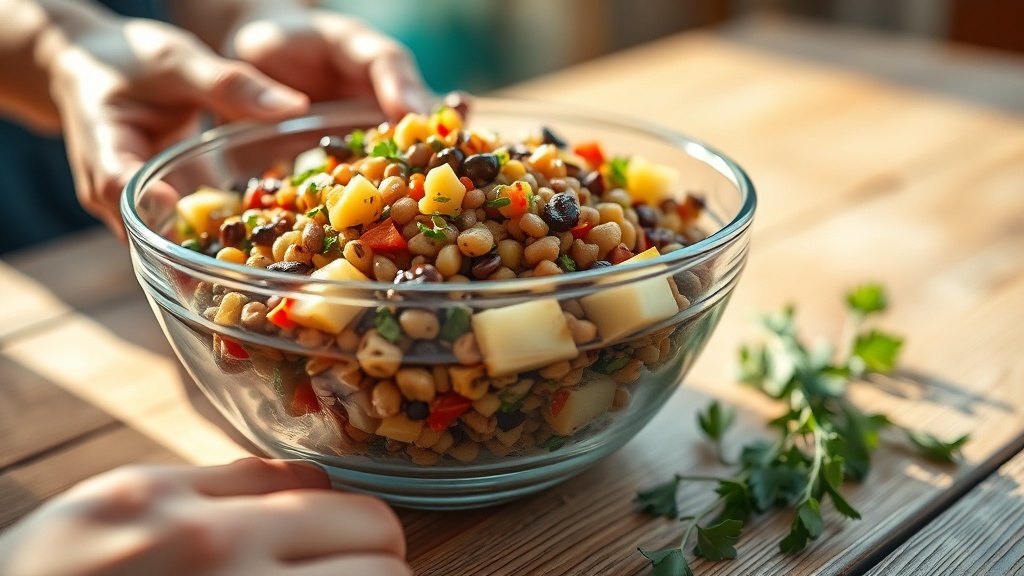
You do not need to count anything or weigh anything. Just one small change in how you cook. Next time you make rice or potatoes, cook a little more than you need. Let them cool and use them the next day in a salad, a soup, or alongside roasted vegetables. Your body receives a completely different kind of energy – slower, steadier, more lasting.
Or try preparing overnight oats in the evening. A handful of oats soaked in milk (plant-based or dairy), a teaspoon of honey, a pinch of cinnamon – and in the morning you have a breakfast that carries you through the entire morning without a hint of hunger at ten o'clock.
The gut as the foundation of wellbeing
We hear more and more about the gut microbiome these days – and rightly so. It influences not just digestion, but mood, immunity, and how we feel in our bodies overall. Resistant starch is like a well-tended garden for your gut bacteria – it gives them space and nourishment to do their work.
This is not a revolution or a diet. It is more of a return to the way people have always eaten – legumes, whole grains, seasonal vegetables, simple preparation. Our bodies know this food. We just drifted away from it for a while.
Start slowly – your gut asks for patience
One gentle note, which is also a reassurance: if you are not used to legumes or extra fibre, add resistant starch to your meals gradually. The gut needs time to adjust. Start perhaps once a week with a lentil soup or a salad of cooled potatoes. Your body will let you know when it wants more.
And you may find that the afternoon slump you used to reach for coffee or a biscuit to fix quietly fades. Not because you did something dramatic – but because you gave your body exactly what it was asking for all along.