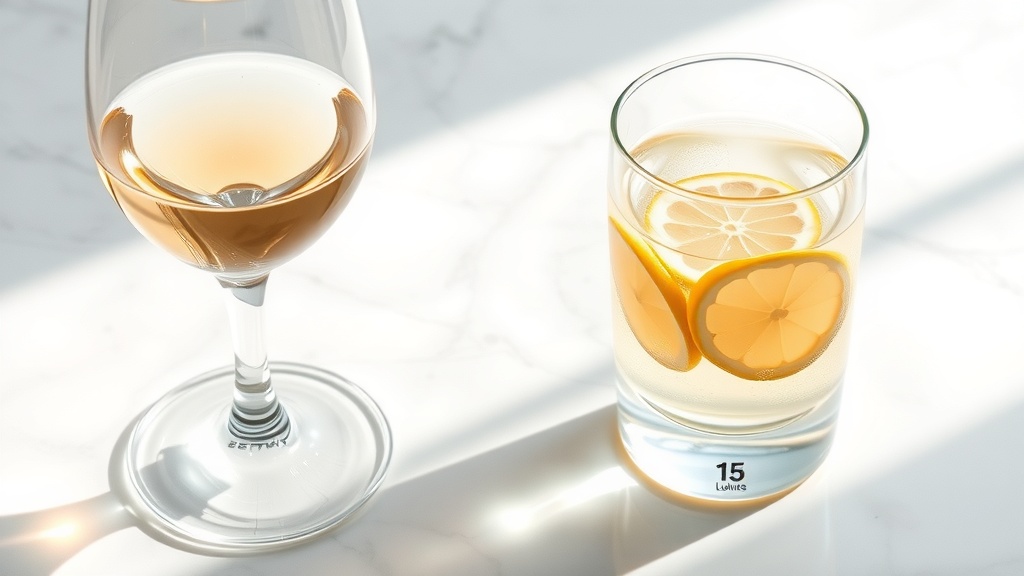
A glass of wine at Sunday lunch or champagne at a birthday party are rituals most of us know well. Alcohol is deeply embedded in culture, and at the same time it is a psychoactive substance with measurable effects on nearly every organ in the body. There is no need to fear it, but it is worth understanding it.
What it is and how to recognize it
Ethanol, or ethyl alcohol, belongs to the alcohol chemical family and is produced by the fermentation of sugars by yeast. In food and drink, it is the only form of alcohol safe for consumption. Industrially, it is also used as a solvent, preservative, and disinfectant, which is why you will find it in cosmetics, mouthwashes, and some medicines.
Also known as / found on labels as: ethanol, ethyl alcohol, alcohol denat., denatured alcohol, SD alcohol, isopropyl alcohol (in cosmetics), fermented alcohol, grain alcohol, spirits, wine, beer
Where it hides
- Alcoholic beverages – wine, beer, spirits, ciders, cocktails, liqueurs
- Mouthwashes and oral sprays – many contain up to 25% ethanol as a preservative and antiseptic
- Skincare and cosmetics – toners, gels, some creams and products labelled 'alcohol denat.'
- Medicines and syrups – some cough syrups, drops, and liquid medicines use ethanol as a carrier
- Disinfectants – hand sanitisers, wound disinfectants, and surface cleaners
- Perfumes and fragrances – ethanol is the primary carrier in most perfumes and eau de toilette
- Foods – liqueur chocolates, tiramisu, mulled wine, some sauces and marinades
What it does in the body
Ethanol is absorbed very quickly, especially on an empty stomach. Through the lining of the stomach and small intestine, it passes directly into the bloodstream and reaches the brain within minutes.
- Central nervous system: alcohol suppresses nerve signal transmission, producing relaxation, slowed reactions, impaired coordination and judgement. At higher doses, confusion, memory loss, and in extreme cases unconsciousness can follow.
- Liver: the liver is the primary site of ethanol breakdown. Regular or excessive intake overloads it, leading to fat accumulation and gradual tissue damage over time.
- Brain and mental health: long-term use alters brain structure, affecting memory, sleep, and emotional regulation. Alcohol disrupts deep sleep stages, even though it subjectively feels sedating.
- Heart and circulation: regular consumption raises blood pressure and puts strain on the heart muscle.
- Immune system: alcohol weakens the body's natural defences.
- Pregnant women and children: there is no safe dose of alcohol during pregnancy. Ethanol crosses the placenta and can seriously harm fetal development. In children and teenagers, the effects on the developing brain are significantly more severe than in adults.
How to reduce exposure
- Introduce alcohol-free days – even two or three days a week without alcohol gives the liver space to recover.
- Read labels on medicines and syrups – look for 'ethanol' or 'alcohol' in the ingredients, especially in products for children.
- Choose alcohol-free cosmetics – for sensitive skin, look for 'alcohol-free' labelling or avoid products listing 'alcohol denat.' near the top of the ingredient list.
- Switch your mouthwash – effective alcohol-free alternatives exist and are gentler on the oral mucosa.
- Eat when you drink – food slows the absorption of ethanol and reduces its immediate impact on the body.
- Look for certifications – products certified COSMOS Organic or ECOCERT have strictly regulated alcohol content in cosmetics.
Supporting your body's natural elimination
- Drink plenty of water – alcohol is a diuretic and draws fluids from the body. Alternating alcohol with water helps maintain hydration and supports the kidneys.
- Eat fibre-rich vegetables – broccoli, artichokes, and leafy greens support liver function and the digestive tract.
- Prioritise sleep – the liver works most intensively at night. Quality sleep gives the body space to process ethanol and repair cells.
- Move and sweat gently – regular movement improves blood flow to the liver and overall metabolism, naturally supporting the breakdown process.
A mindful approach to alcohol does not mean abstinence, but understanding. Every step you take towards moderation or a more informed choice will be felt in your body. And that is genuinely good news.