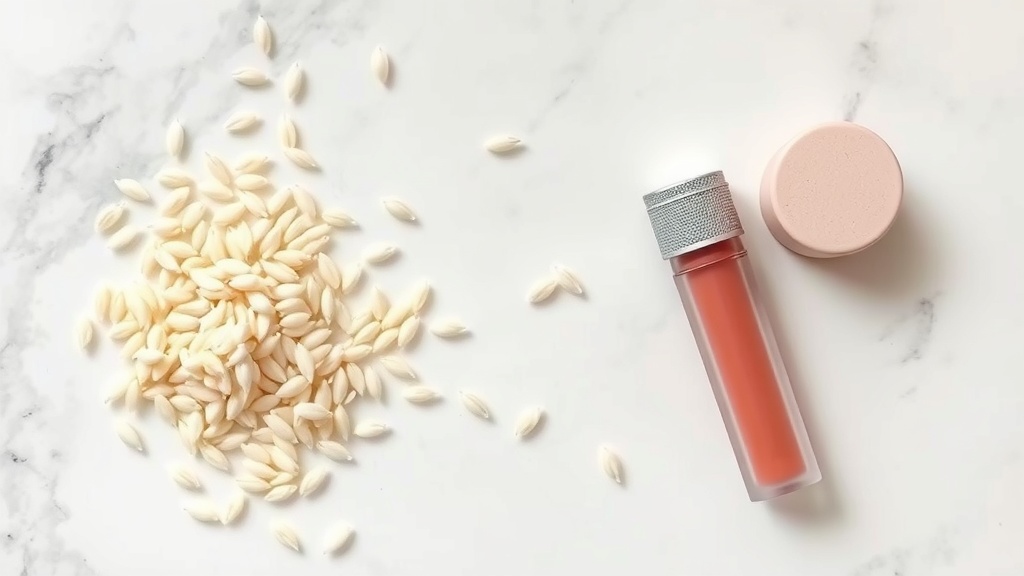
When you spread your morning face cream or brew tea in your favourite mug, heavy metals are probably the last thing on your mind. Yet they are woven into many materials around us – in soil, water, packaging and cosmetics. These are not substances the body needs in large amounts, and some are harmful even in small doses. The good news is that conscious everyday choices can meaningfully reduce your exposure.
What it is and how to recognize it
Heavy metals are a group of chemical elements with high density. Some – like iron, zinc and copper – the body needs in small amounts. Others, such as lead, mercury, cadmium and arsenic, have no beneficial role in the body and accumulate in tissues over time. They enter products as impurities during raw material extraction, as deliberate additives, or naturally from soil and water.
Also known as / found on labels as: lead, plumbum, Pb, mercury, mercurium, Hg, thimerosal, cadmium, Cd, arsenic, arsenicum, As, aluminium, aluminum, Al, chromium, Cr(VI), nickel, Ni, methylmercury, cinnabar, heavy metal impurities
Where it hides
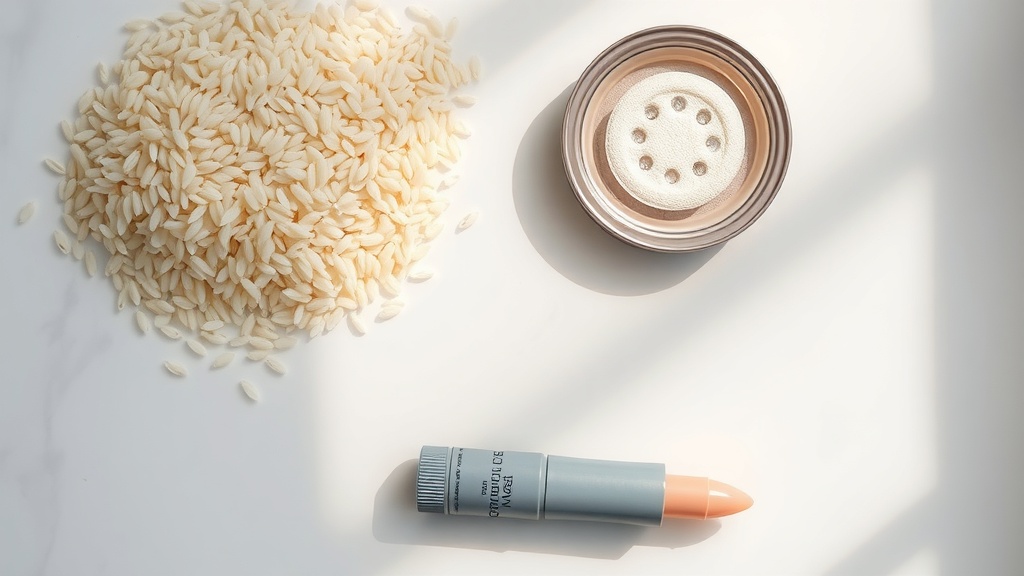
- Cosmetics and skincare – lipsticks, eyeshadows, highlighters, skin-lightening creams, cheap nail polishes
- Food and drinks – rice and rice products (arsenic), tuna and large ocean fish (mercury), cocoa and chocolate (cadmium), leafy vegetables from contaminated soil
- Drinking water – old lead pipes, well water in industrial areas
- Cookware and packaging – older glazed ceramics, coloured enamelware, low-quality aluminium pots
- Children's toys and jewellery – cheap plastic accessories, costume jewellery with high nickel or lead content
- Paints and coatings – older household paint (lead), industrial coatings
- Herbs and supplements – unregulated herbal blends, Ayurvedic preparations from unreliable sources
What it does in the body
- Routes of entry: ingestion (food, water), inhalation (dust, fumes), skin absorption (cosmetics, jewellery)
- Nervous system: mercury and lead disrupt brain and nerve development, especially in children and foetuses; they can affect concentration, memory and coordination
- Kidneys: cadmium and lead accumulate in the kidneys and reduce their function with prolonged exposure
- Blood and bones: lead is stored in bones and can interfere with red blood cell production
- Hormonal system: some heavy metals interfere with thyroid and sex hormones
- Immune response: nickel and chromium are common contact allergens that cause skin reactions
- Most vulnerable groups: pregnant women, infants, young children and people with compromised kidney function are more sensitive to cumulative effects
How to reduce exposure
- Rotate your fish choices – limit large predatory fish like tuna and swordfish to once a week; choose smaller species like sardines or trout instead
- Rinse rice before cooking and use excess water – this can reduce arsenic content by up to a third
- Check your home's water pipes; if they are old lead pipes, let water run before use or install a filter certified to NSF/ANSI 53
- Choose cosmetics with COSMOS, NATRUE or EWG Verified certification – these standards limit metal impurities
- Retire older glazed ceramics of unknown origin from daily use, especially with acidic foods
- Buy herbal products and supplements only from brands with transparent heavy metal testing
Supporting your body's natural elimination
- Stay well hydrated – the kidneys are the primary route for eliminating many metals and need adequate fluid intake
- Include sulphur-rich foods – garlic, onions, broccoli and eggs support the liver's natural detoxification pathways
- Eat plenty of fibre – dietary fibre binds some metals in the gut and helps carry them out through the stool
- Move regularly – moderate sweating during exercise contributes to the elimination of some metals through the skin
- Keep iron, calcium and zinc intake adequate through food – these minerals compete with toxic metals for absorption in the gut
Heavy metals are part of the world around us and avoiding them entirely is not realistic. What we can influence is how much we take in each day. Small, mindful choices in the kitchen, the bathroom and at the shops carry real weight – and every step in the right direction counts.