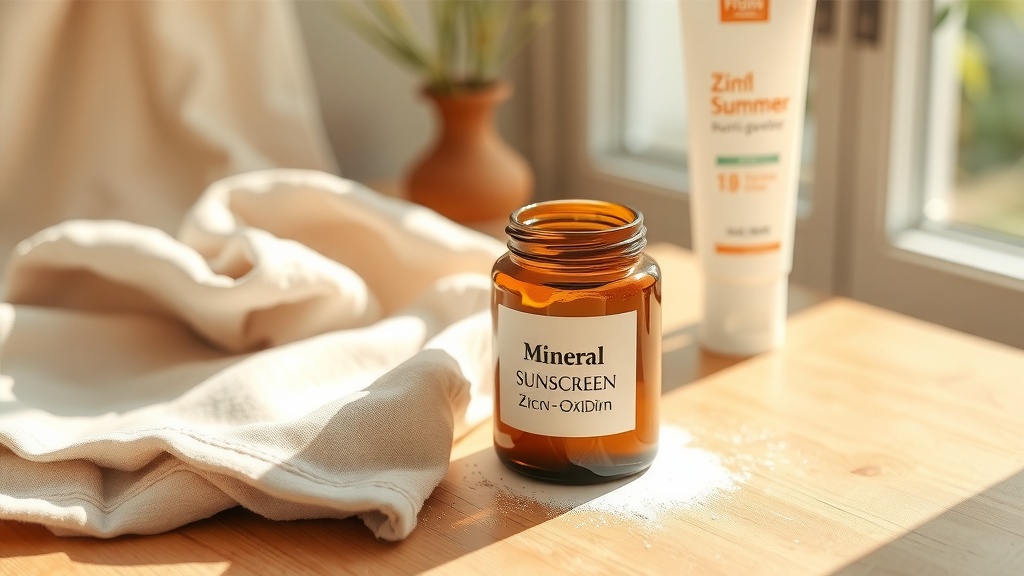
It sits on the bathroom shelf, lives at the bottom of the beach bag, or waits patiently through the whole summer. Sunscreen is one of those products we reach for automatically, because we know sun damage is real. And we're right. UV protection genuinely matters. The question worth asking, though, is what exactly we're spreading on our skin, and whether what protects us from the outside might be adding a quiet burden on the inside.
What's hiding inside
- Oxybenzone (Benzophenone-3, BP-3). One of the most widely used chemical UV filters. It absorbs UV radiation and converts it to heat, but it also penetrates the skin easily and enters the bloodstream. Look for it on labels as Oxybenzone or Benzophenone-3.
- Octinoxate (Ethylhexyl Methoxycinnamate, OMC). Another common chemical UV filter, often combined with oxybenzone for broader coverage. Found on labels as Octinoxate or Ethylhexyl Methoxycinnamate.
- Homosalate. A UVB-absorbing chemical filter that metabolises slowly and may accumulate in the body over time. Listed on labels simply as Homosalate.
- Octocrylene. Stabilises other UV filters and absorbs UVB radiation itself. In the body, it can convert into benzophenone, a compound with similar properties to oxybenzone.
- Avobenzone (Butyl Methoxydibenzoylmethane). A UVA filter that is unstable on its own and is typically paired with octocrylene. Found on labels as Avobenzone or Parsol 1789.
- Parabens (methylparaben, propylparaben, butylparaben). Preservatives that extend shelf life. Recognisable on labels by the suffix -paraben.
- Synthetic fragrances and stabilisers. Listed simply as Parfum or Fragrance. This single word can represent dozens of individual chemical compounds that manufacturers are not required to disclose separately.
- Retinyl palmitate (Vitamin A palmitate). Added as an antioxidant, but it can behave unstably in sunlight and may contribute to the formation of free radicals in the skin.
What these substances do to our body
- Oxybenzone and octinoxate are considered endocrine disruptors. They can mimic or interfere with hormones, particularly oestrogens. Both penetrate the skin and have been detected in blood, urine, and breast milk. Children and pregnant women are particularly sensitive, as their hormonal systems are either still developing or highly active.
- Homosalate metabolises slowly and may accumulate in the body. It is thought to disrupt hormonal balance in a similar way to other chemical filters, though to a lesser degree.
- Octocrylene converts in the body into benzophenone, classified as a possible carcinogen. It is also a known cause of contact allergies and skin irritation.
- Parabens are weak oestrogens. When we use several personal care products daily, which most of us do, their combined load adds up. They are associated with potential effects on reproductive health, particularly with long-term exposure.
- Retinyl palmitate can generate free radicals when exposed to sunlight, which is precisely the opposite of what we want from a sun protection product. It is especially concerning in products designed for direct sun use.
- Synthetic fragrances are among the most common causes of contact allergies and skin irritation. In children and people with sensitive skin, a reaction can occur even on first use.
Non-toxic alternatives
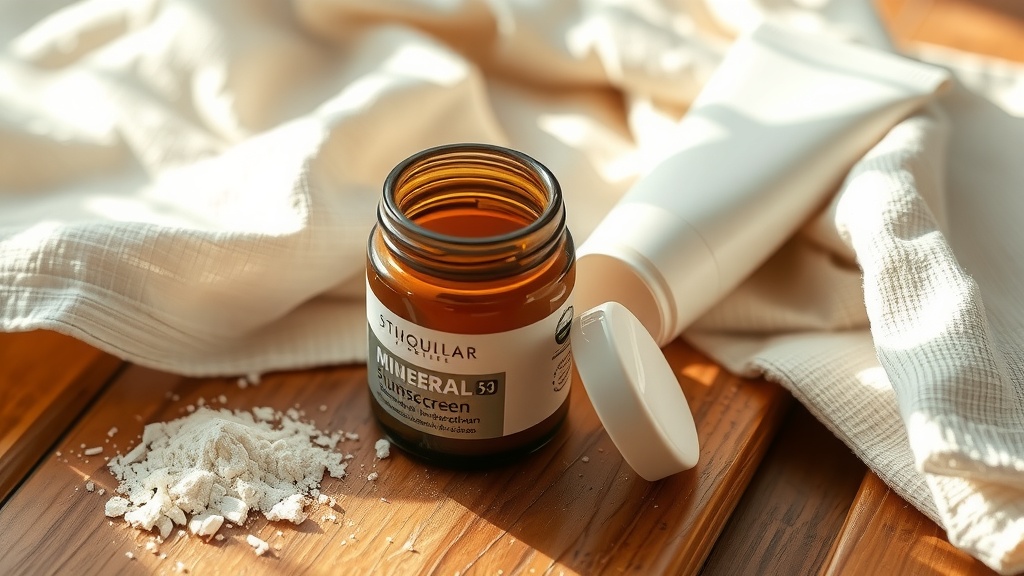
- Mineral sunscreens with zinc oxide. Zinc oxide is a physical UV filter that reflects radiation rather than absorbing it. It does not penetrate the skin and is safe for children and pregnant women. Look for products with non-nano zinc oxide (often labelled as such) and without nanoparticles. Brands like Badger, Lavera, and Eco Cosmetics are widely available online and in health stores across Europe.
- EWG Verified or COSMOS Organic certified products. The EWG Verified mark guarantees that a product contains none of the ingredients on their list of problematic substances. COSMOS Organic (Ecocert, BDIH, Soil Association) certifies natural and organic formulations. Look for these logos directly on the packaging.
- Brands such as Badger, Lavera, or Eco Cosmetics. These brands rely on mineral filters, natural preservation systems, and formulations free from parabens and synthetic fragrances. Badger Baby Sunscreen is a popular choice for young children. Be aware that mineral creams can leave a slight white cast, especially on darker skin tones. Warming the cream between your palms before applying helps it spread more easily.
- Protective clothing and shade as your first line of defence. UPF-rated clothing, wide-brimmed hats, and seeking shade during peak hours (roughly 11am to 3pm) significantly reduce the amount of sunscreen needed on the whole body. Cream then only needs to go on exposed areas such as the face, neck, and hands.
- DIY mineral sunscreen. A simple home preparation can be made from non-nano cosmetic-grade zinc oxide, coconut or almond oil, and beeswax. Recipes are easy to find on natural living blogs. One honest note: the SPF factor of homemade preparations is difficult to measure accurately, so these are better suited for everyday outdoor activities rather than a full day at the beach.
Switching to a mineral sunscreen doesn't have to happen all at once. A good place to start is the product you use on your children, where the motivation tends to be strongest. Every small change counts, because caring for your skin is, in the end, caring for your whole body.