The microwave oven has become so familiar that we stop noticing it altogether. We reheat soup, defrost meat, warm up breakfast – all without a second thought. But we rarely pause to consider what the plastic containers we routinely put inside are made of, or what happens to them when they heat up. There's no reason to panic, but there is good reason to look a little closer.
What's hiding inside
The issue isn't microwave radiation itself, but the materials that come into contact with food during heating. The biggest concern is plastic containers and covers labelled "microwave-safe" – that label only means the container won't physically melt, not that it's chemically inert.
- BPA (bisphenol A) and its substitutes BPS, BPF. BPA is an industrial chemical used to make polycarbonate plastics and epoxy resins. You'll find it in hard clear plastic containers, lids, and older plastic bottles. After BPA was restricted, manufacturers switched to BPS and BPF – chemicals with a very similar structure and comparable properties.
- Phthalates (DEHP, DBP, BBP). Plasticisers added to PVC plastics to make them flexible. Found in cling film (stretch wrap), soft plastic lids, and some food containers. You won't see them listed on a label – they're part of the plastic compound itself, not a declared additive.
- Styrene from polystyrene (PS). Polystyrene containers and cups – marked with recycling number 6 – can release styrene into food when heated. These containers are not recommended for microwave use at all, yet they're commonly used in households.
- Formaldehyde and melamine from melamine tableware. Melamine dishes look like ceramics, are lightweight and durable. When heated in a microwave or exposed to acidic foods, they can release melamine and formaldehyde into food. You can recognise them easily – they're light, brightly coloured, and sound hollow when tapped.
- PFAS (per- and polyfluoroalkyl substances) from non-stick coatings. Some microwave-safe containers and covers have non-stick coatings containing PFAS. These substances are extremely persistent in the environment and in the body.
- Antimony from PET plastics. PET bottles and containers (recycling number 1) are designed for single use. When heated or reused repeatedly, they can release antimony – a catalyst used in their production.
What these substances do to our body
- BPA, BPS, BPF are endocrine disruptors – they mimic oestrogen and can interfere with hormonal balance. They may affect fertility, foetal development, and hormone-dependent processes. Pregnant women, infants, and young children are particularly sensitive.
- Phthalates also act as endocrine disruptors, particularly affecting male sex hormones. They may influence the development of the reproductive system in boys and are associated with lower sperm quality in adult men.
- Styrene is classified as a possible carcinogen. Short-term exposure can irritate mucous membranes and cause headaches. Repeated long-term intake may burden the liver and nervous system.
- Melamine and formaldehyde can place strain on the kidneys at higher intake levels. Formaldehyde is classified as a carcinogen and can irritate the respiratory tract even at low concentrations.
- PFAS accumulate in the body and break down very slowly. They are associated with disruption of thyroid and immune function, and with increased risk of certain cancers following long-term exposure.
- Antimony is a heavy metal that burdens the liver at higher intake levels and can irritate the digestive tract.
Non-toxic alternatives
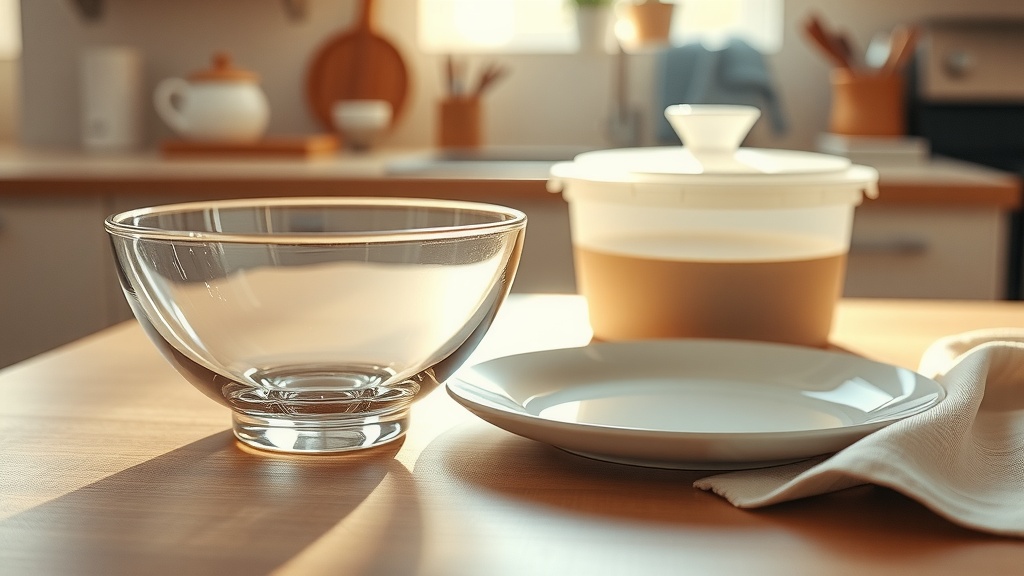
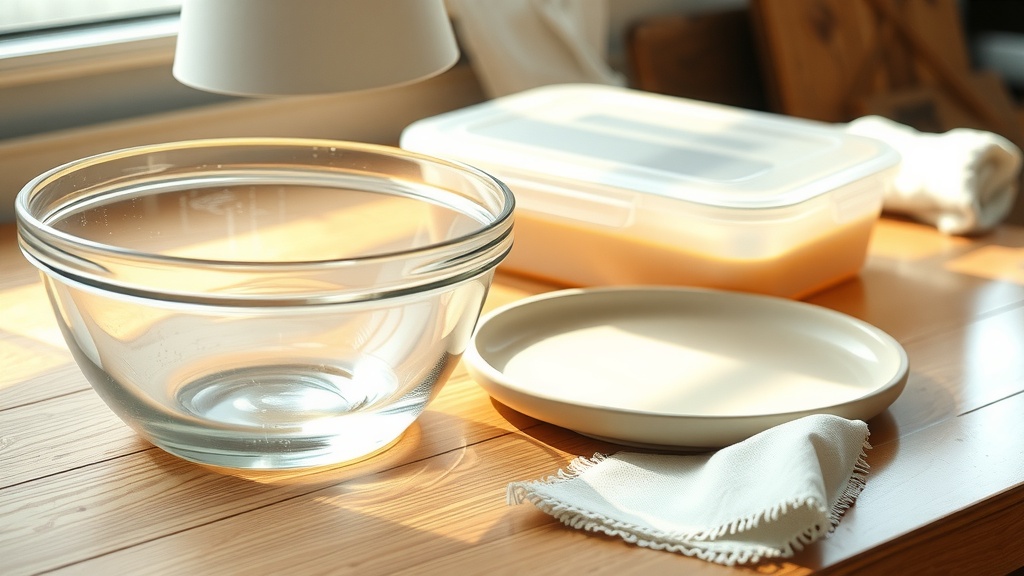
- Glass containers and bowls. Glass is chemically inert – it releases nothing into food when heated. Look for soda-lime or borosilicate glass containers labelled as microwave-safe. Brands like Weck, IKEA 365+, and Bormioli are widely available in shops and online. They're heavier than plastic, but they last for years.
- Ceramic and porcelain dishes without metallic decoration. A classic deep plate or ceramic bowl is an excellent choice for reheating. Just make sure they have no metallic rims or metallic glazes – those don't belong in a microwave. You'll find ceramic dishes everywhere, from IKEA to local potters at farmers' markets.
- Silicone lids and covers made from food-grade silicone. As a replacement for cling film when covering a dish in the microwave, silicone covers work beautifully. Look for the label "food grade silicone" or "platinum silicone" – these are filler-free and stable at microwave temperatures. Available from eco-focused online shops.
- Reheating on the hob or in the oven. The simplest alternative is sometimes just not using the microwave. Soup reheated in a saucepan takes only a few minutes longer and tastes noticeably better. An oven with cast iron or ceramic cookware is safe and produces richer results.
- Stainless steel for storage (not for the microwave). Stainless steel containers are ideal for carrying and storing food – they don't belong in the microwave, of course, but as a replacement for plastic lunch boxes they're excellent. Look for the marking 18/8 or 304 food grade stainless steel. Available from health lifestyle shops and eco-focused online retailers.
There's no need to throw everything out at once and start from scratch. Simply swap one plastic container for a glass one next week and notice how natural the change feels. Every small step like this is an act of care – for yourself and for the people you cook for.