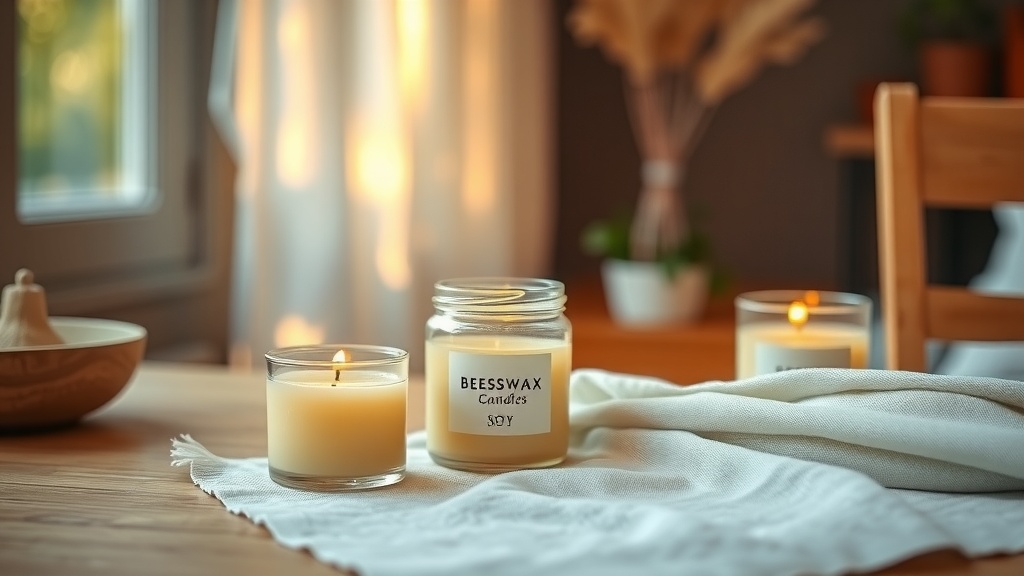
A candle on the edge of the bath, on a child's bedside table, or at the centre of a dinner table feels like one of the most innocent things in the home. It glows, it warms, it calms. Few of us stop to think about what exactly is burning – and what is drifting into the air we breathe. That's not a reason to worry, but it is a good reason to look a little closer.
What's hiding inside
- Paraffin wax. Paraffin is a by-product of petroleum refining. It forms the base of the vast majority of affordable and mid-range candles on the market. When it burns, it releases fine particles and chemical compounds that linger in the air of the room.
- Toluene and benzene. These aromatic hydrocarbons occur naturally in petroleum-derived products and can be released when paraffin burns. You won't find them listed on the label – they are part of the wax itself, not an added ingredient.
- Synthetic fragrances (fragrance, parfum, aroma). Most scented candles contain synthetic fragrance blends. These can include phthalates (particularly DEP and DBP), used as fragrance carriers and fixatives, as well as various aldehydes and ketones. On the label they are typically hidden under the umbrella term "fragrance" or "parfum".
- Phthalates in fragrance oils. Diethyl phthalate (DEP) and dibutyl phthalate (DBP) are added to fragrance compositions to make the scent last longer and diffuse more effectively. They are part of the scented oil blended into the wax.
- Metal-core wicks. Older or inexpensive imported candles, especially from unverified sources, may have wicks reinforced with a metal core. Lead was once common; today it is more often replaced with zinc or tin – neither of which is ideal for burning in an enclosed room.
- Synthetic dyes. Coloured candles contain industrial dyes whose behaviour during combustion is not always well documented. Some may release additional organic compounds when burned.
- Acetaldehyde and formaldehyde. These volatile organic compounds (VOCs) form as by-products of incomplete paraffin combustion, particularly when a candle is blown out or when the flame smokes.
What these substances do to our body
- Paraffin particles and VOCs. Fine particles and volatile organic compounds released by burning paraffin can irritate the mucous membranes of the respiratory tract. With regular use in poorly ventilated spaces, they can contribute to poorer indoor air quality, which may show up as headaches, eye irritation, or worsening symptoms in people with asthma.
- Benzene and toluene. Benzene is classified as a carcinogen. Toluene can affect the nervous system at higher concentrations. Occasional use of a single candle in a ventilated room keeps concentrations very low, but a small enclosed space with multiple candles burning can allow levels to accumulate.
- Phthalates. Phthalates are endocrine disruptors – substances that can interfere with the body's hormonal signalling. They may affect oestrogen and androgen levels. Children and pregnant women are particularly sensitive; even lower levels of exposure can have developmental relevance. Phthalates are absorbed primarily through inhalation but also through the skin.
- Formaldehyde and acetaldehyde. Formaldehyde irritates the eyes, nose and throat and is considered a potential carcinogen with prolonged exposure. Acetaldehyde has similar irritant effects. Both are produced mainly by a smoky or unstable flame.
- Metal-core wicks. Burning a metal-core wick can release metal oxides. Lead, if present, is neurotoxic and has no safe exposure threshold – especially for children.
Non-toxic alternatives
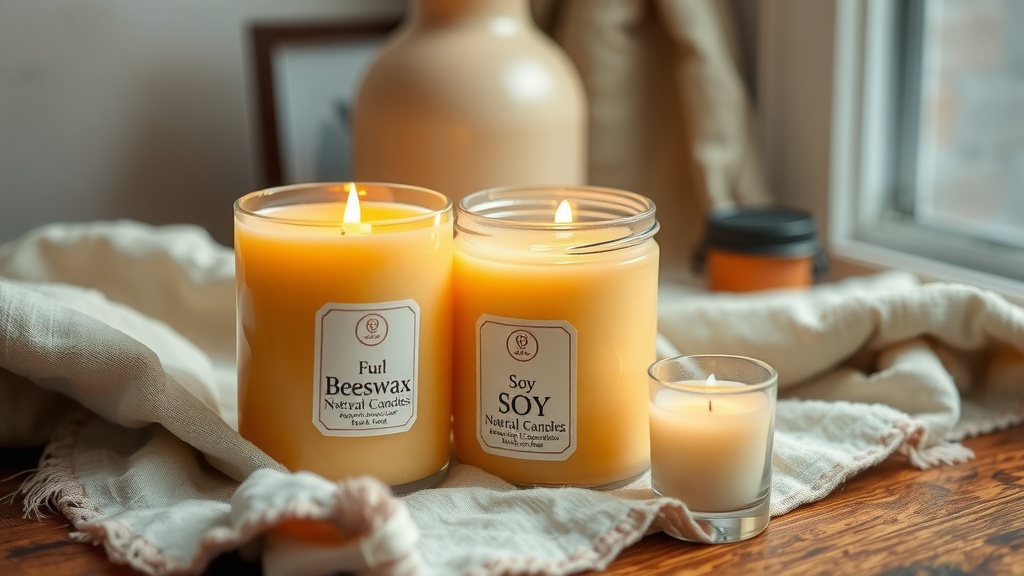
- Soy wax candles. Soy wax is plant-based, burns cleaner than paraffin and produces fewer soot particles. Look for "100% soy wax" or "GMO-free soy" on the label. Soy candles are available from Czech eco shops (Ekobazar, Almara Soap, handmade sellers on Fler) and natural health stores. Choose versions scented only with essential oils rather than synthetic fragrance blends.
- Beeswax candles. Beeswax is a natural material with a gentle, naturally sweet scent. It burns slowly and cleanly without any additives. It also has a naturally negative ionic charge, which may help bind dust particles in the air. Look for organic certification or clear origin labelling. Available from pharmacies with a natural focus, beekeeping shops, and eco online stores.
- Coconut wax candles. Coconut wax burns very cleanly and slowly, and holds essential oil fragrances beautifully. It is less common than soy wax but increasingly available from smaller Czech candle makers on Fler and in eco shops.
- Cotton or wooden wicks. Whatever wax you choose, always check the wick. A cotton wick without a metal core, or a natural wooden wick, is the safest option. Reputable makers usually state this clearly in the product description.
- Essential oil diffuser as an alternative. If you love fragrance but want to skip combustion altogether, an ultrasonic diffuser with pure essential oils (lavender, eucalyptus, cedarwood) gives you scent without any burning. No soot, no VOCs, just the plant itself.
There's no need to throw out every candle in the house at once. When the next one burns down, simply reach for a soy or beeswax replacement – and crack a window while it burns. A small change that makes the air in your home a little cleaner, while keeping your evenings just as beautiful.