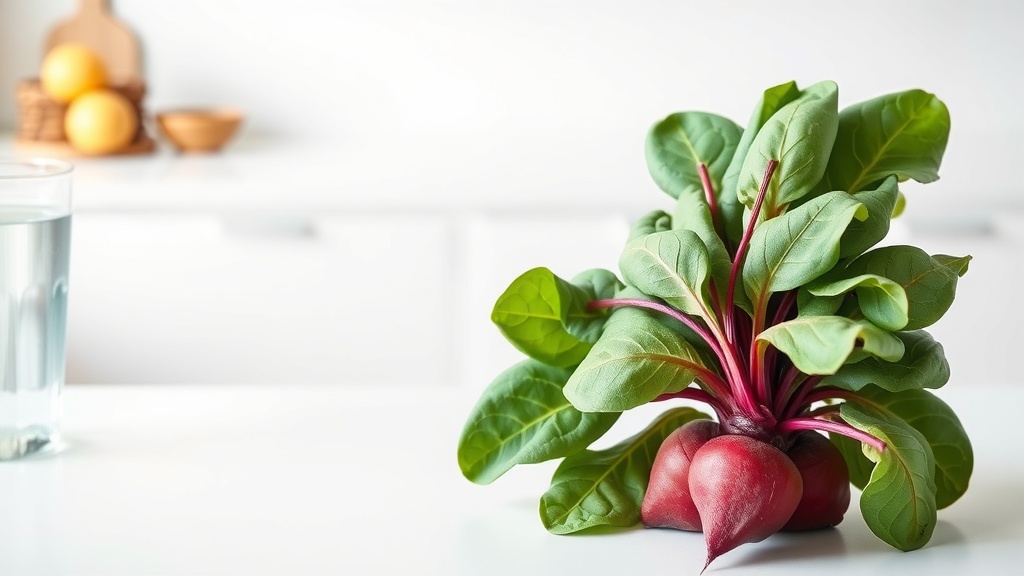
When you blend a glass of fresh beetroot juice or toss a handful of spinach into your salad, chemistry is probably the last thing on your mind. And yet these are precisely the moments when nitrate intake tends to peak in an everyday diet. That's not a reason to put down your fork – but it is worth understanding what's actually going on.
What it is and how to recognize it
Nitrates are inorganic compounds made of nitrogen and oxygen. They occur naturally in soil, water, and plants as part of the nitrogen cycle. The concern arises when their levels in food or drinking water rise beyond what the body processes comfortably. In agriculture, nitrates are widely used as fertilizers because they accelerate plant growth. In food production, they serve as preservatives, particularly in cured and processed meats, where they prevent dangerous bacterial growth.
Also known as / found on labels as: sodium nitrate, potassium nitrate, calcium nitrate, ammonium nitrate, E251, E252, E249, E250 (nitrites – closely related group), nitrates, KNO₃, NaNO₃, Chile saltpeter, saltpeter, salpetre
Where it hides
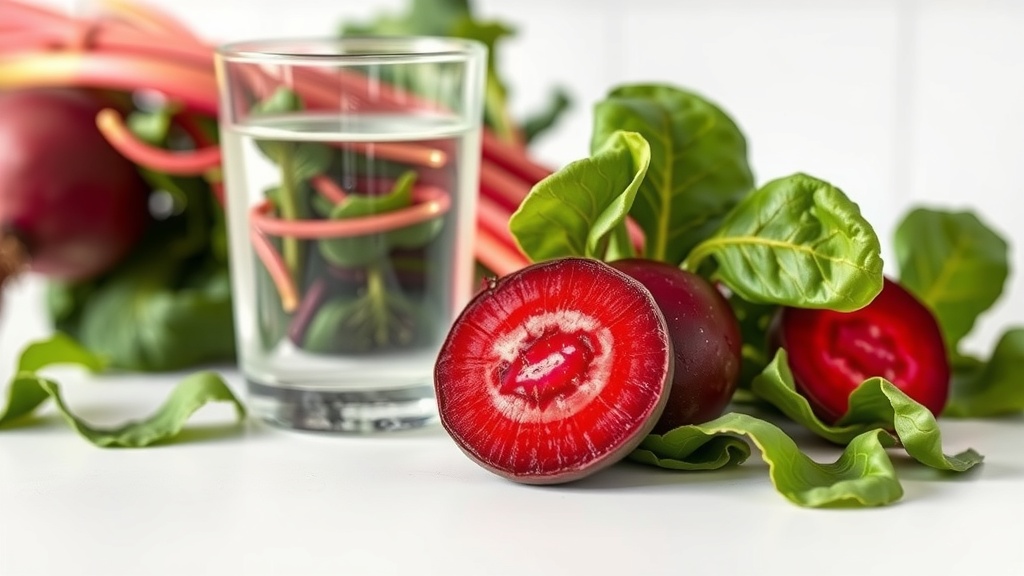
- Leafy and root vegetables – spinach, rocket, beetroot, radishes, celery, lettuce, parsley; naturally high in nitrates, especially when intensively farmed
- Processed and cured meats – ham, bacon, salami, hot dogs, sausages, pâtés; added as preservatives (E249–E252)
- Tap water – in areas with intensive agriculture, nitrate levels in drinking water can exceed recommended limits
- Baby food and weaning purees – infant foods are more strictly regulated for nitrates precisely because of the risks to very young children
- Ready meals and canned goods – soups, sauces, and tinned products containing meat or vegetables may contain added nitrates
- Certain cheeses and cured products – some hard cheeses and traditionally cured meats use potassium nitrate as part of the production process
What it does in the body
Nitrates enter the body primarily through food and drink. On their own, they are relatively inert – the complications begin with their conversion.
- Conversion to nitrites: bacteria in the mouth and digestive tract convert nitrates into nitrites, which are more reactive and can interact with other compounds in the body
- Formation of nitrosamines: in the acidic environment of the stomach, nitrites can react with amino acids to form nitrosamines – compounds considered potentially carcinogenic with prolonged high exposure
- Methaemoglobinaemia: in infants under six months, high nitrate intake can impair the ability of haemoglobin to carry oxygen; this is why tap water with elevated nitrates and spinach as an early weaning food are not recommended for babies
- Cardiovascular effects: interestingly, in moderate amounts from natural food sources, nitrates may support blood vessel dilation; context and quantity matter considerably here
- More vulnerable groups: infants, pregnant women, and people with digestive conditions are more sensitive to higher nitrate intake
How to reduce exposure
- Choose organically grown vegetables where possible – organic produce generally contains lower nitrate levels because synthetic nitrogen fertilizers are not used
- Blanch high-nitrate vegetables in plenty of water and discard the water – this can reduce nitrate content by 20 to 50 percent
- Limit industrially processed meats and cured products, especially those without a 'no added nitrates' or 'preservative-free' label
- Check your tap water quality if you live in an agricultural area – your water supplier can provide nitrate level data, or you can use a home testing kit
- Vary your vegetable sources and avoid combining several naturally high-nitrate vegetables in one meal (spinach, beetroot, and rocket all at once)
- Scan labels on meat products for E249, E250, E251, E252 and favour products without these additives or marked 'no added nitrates'
Supporting your body's natural elimination
- Stay well hydrated – the kidneys are the primary route for eliminating nitrates from the body, and good hydration supports this process
- Eat foods rich in vitamin C – ascorbic acid in its natural form (citrus fruit, peppers, broccoli) can help limit the conversion of nitrites into nitrosamines in the digestive tract
- Look after your oral health – regular dental hygiene and a balanced oral microbiome influence how actively nitrates are converted into nitrites before they even reach the stomach
Nitrates are part of nature and part of our diet – avoiding them entirely is neither possible nor the goal. Thoughtful food choices, a varied plate, and a little label-reading when it comes to processed products are steps that genuinely make a difference. Small shifts in the kitchen can go a long way without taking anything enjoyable off the table.