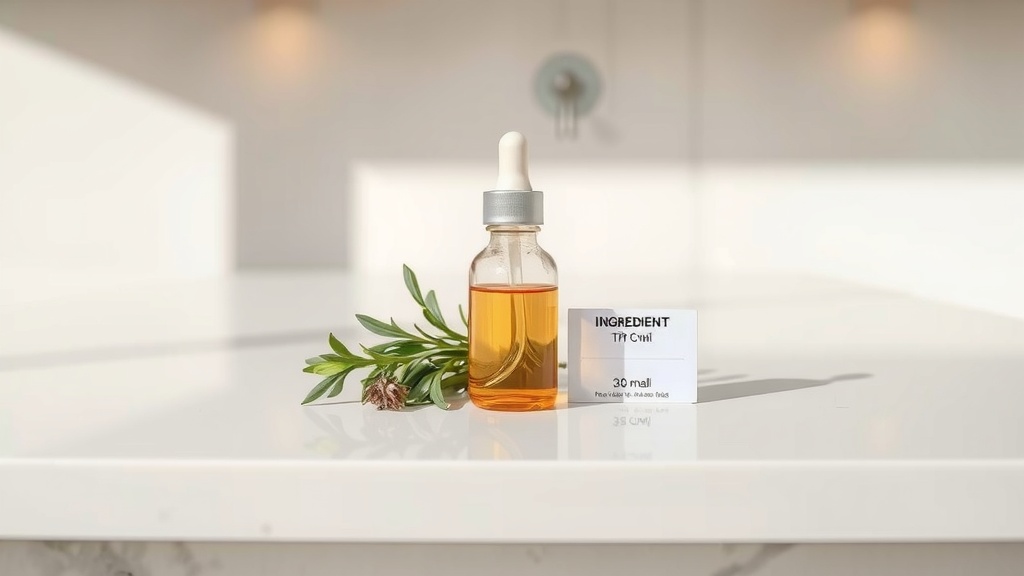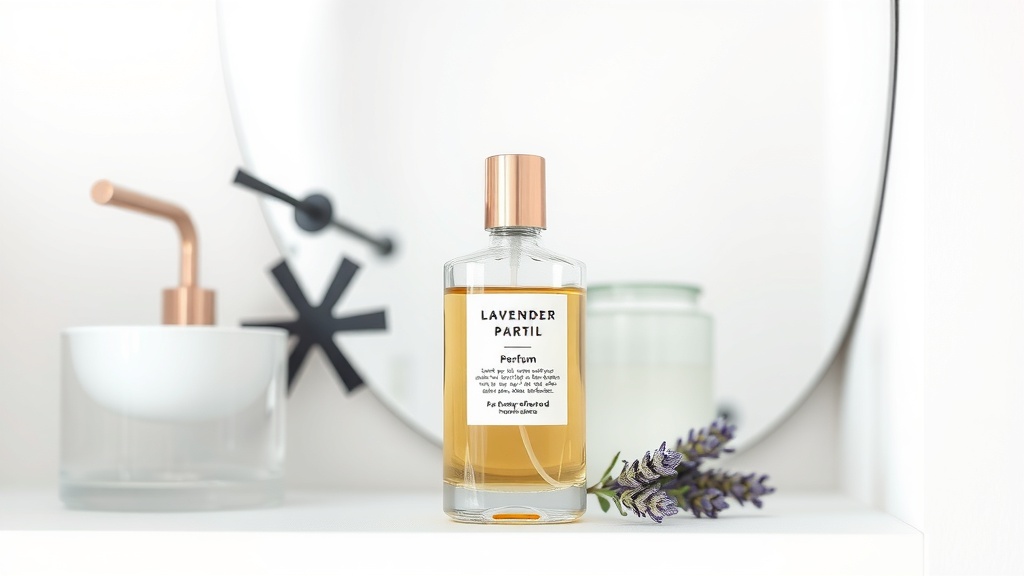
Imagine your morning routine: moisturiser, a spritz of perfume, a scented candle lit before breakfast. Each of these products may contain synthetic fragrance compounds that quietly enter your body and your home environment. There is no reason to give up scent altogether, but it is worth knowing what exactly we are inhaling and absorbing.
What it is and how to recognize it
Fragrances are not a single substance but an umbrella term for blends of aromatic chemicals, natural essential oils and synthetic compounds. Manufacturers add them to cosmetics, cleaning products and textiles to make products smell pleasant or to mask the odour of other ingredients. The problem is that the composition of these blends is often protected as a trade secret, so an entire complex mixture hides behind a single word on the label.
Among the most commonly discussed components are phthalates (used as fixatives), synthetic musks, aldehydes, terpenes and various allergenic fragrance substances such as linalool, limonene and citronellol. Some are of natural origin; others are entirely synthetic.
Also known as / found on labels as: parfum, fragrance, aroma, scent, perfume, vonná látka, essential oil blend, linalool, limonene, citronellol, geraniol, eugenol, coumarin, cinnamal, benzyl alcohol, musks, nitro musks, polycyclic musks, diethyl phthalate (DEP)
Where it hides
- Body care – perfumes, body lotions, shower gels, shampoos, conditioners, deodorants
- Skin care – day and night creams, serums, sunscreens, make-up and tinted products
- Household cleaners – washing-up liquid, floor cleaners, toilet cleaners, fabric softeners and laundry detergents
- Scented products – candles, incense sticks, air fresheners, wardrobe sachets
- Paper and hygiene products – scented tissues, toilet paper, feminine hygiene products
- Textiles and footwear – new clothing, antibacterial sportswear, shoes
- Baby products – baby soap, shampoo, wet wipes, infant skin creams
What it does in the body
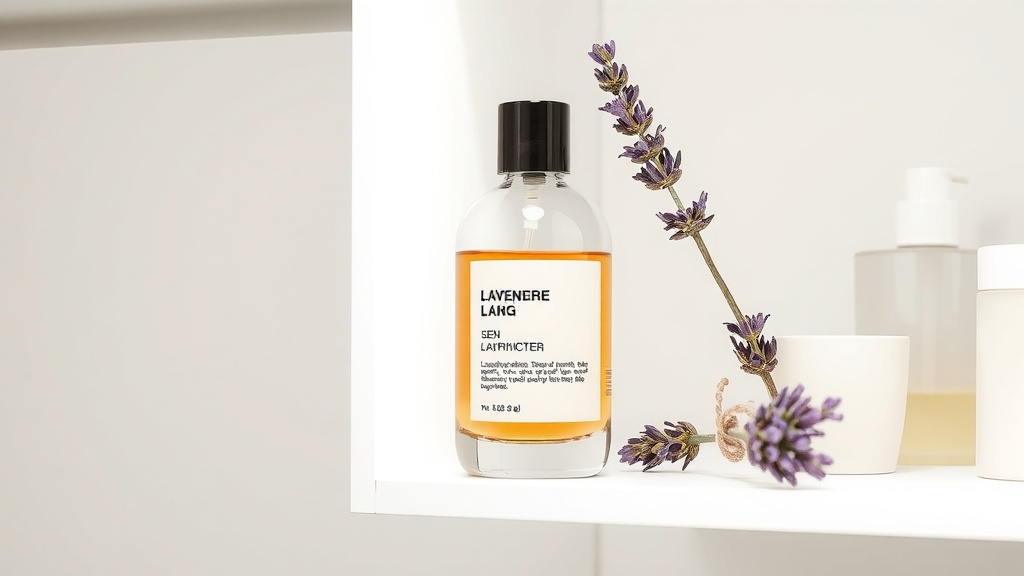
Fragrance compounds enter the body through three routes: inhalation (especially from candles, air fresheners and sprays), skin absorption (from creams, perfumes and fabric softeners) and, to a lesser extent, ingestion (for example from lipsticks or contaminated hands).
- Allergic reactions and contact dermatitis – fragrance substances are among the most common triggers of contact allergies, presenting as redness, itching or rash.
- Respiratory irritation – inhaling synthetic fragrances can cause coughing, headaches or worsen asthma symptoms.
- Hormonal interference – certain components, particularly phthalates and synthetic musks, are considered potential endocrine disruptors that may interfere with hormonal balance.
- Cumulative load – no single product typically poses a large risk, but using many fragranced products daily multiplies the overall burden.
- More vulnerable groups – children, pregnant women, people with asthma or eczema and those with chemical sensitivity face a higher risk of adverse reactions.
How to reduce exposure
- Read labels and avoid products listing 'parfum' or 'fragrance' without further breakdown of ingredients.
- Choose certified natural cosmetics – certifications such as COSMOS Organic, NATRUE or Ecocert require transparent disclosure of fragrance components.
- Ventilate regularly, especially after burning scented candles or using air fresheners, so volatile compounds do not accumulate indoors.
- Swap synthetic candles for beeswax or soy wax candles scented with essential oils rather than synthetic fragrances.
- Simplify your routine – fewer products used simultaneously means a lower overall load. Try counting how many fragranced products you use in a single day.
- Apply perfume mindfully – spray onto clothing rather than directly onto skin, or explore natural alternatives based on essential oils.
Supporting your body's natural elimination
- Stay well hydrated – the kidneys are the primary route for eliminating water-soluble metabolites, and good hydration supports their work.
- Eat plenty of fibre – vegetables, legumes and wholegrains support healthy gut function, which plays a role in eliminating certain chemical compounds.
- Move and sweat naturally – regular exercise and sauna use support the elimination of some lipophilic substances through sweat, though this mechanism is less studied for fragrance compounds specifically.
- Prioritise sleep quality – during sleep, important detoxification processes take place in the liver, which processes foreign substances.
Scent is part of life and there is no need to abandon it. A little more curiosity at the point of purchase, and a preference for products with transparent ingredient lists, is all it takes. Every informed choice, however small, helps you feel better in your body and in your home.