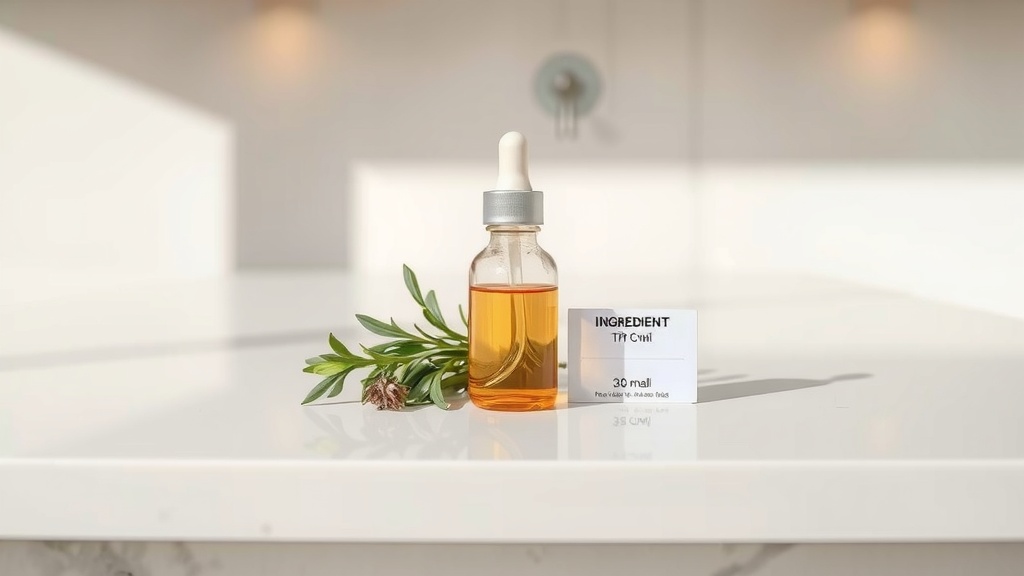
A supermarket apple looks perfect – shiny, firm, flawless. But that beauty has a price. Pesticides are substances most of us rarely think about until we start reading labels or paying closer attention to what we eat every day.
What it is and how to recognize it
Pesticides are chemical or biological substances designed to eliminate pests, fungi, weeds and other unwanted organisms in agriculture and beyond. They belong to several chemical families: organophosphates, pyrethroids, neonicotinoids, triazines, carbamates and others. Each group works through a different mechanism, but they all share one thing: they are designed to disrupt the biological processes of living organisms.
Also known as / found on labels as: insecticide, herbicide, fungicide, rodenticide, acaricide, nematicide, organophosphate, pyrethroid, neonicotinoid, glyphosate, chlorpyrifos, imidacloprid, mancozeb, captan, iprodione, bifenthrin, permethrin, deltamethrin, atrazine, 2,4-D, thiram, fludioxonil, cypermethrin
Where it hides
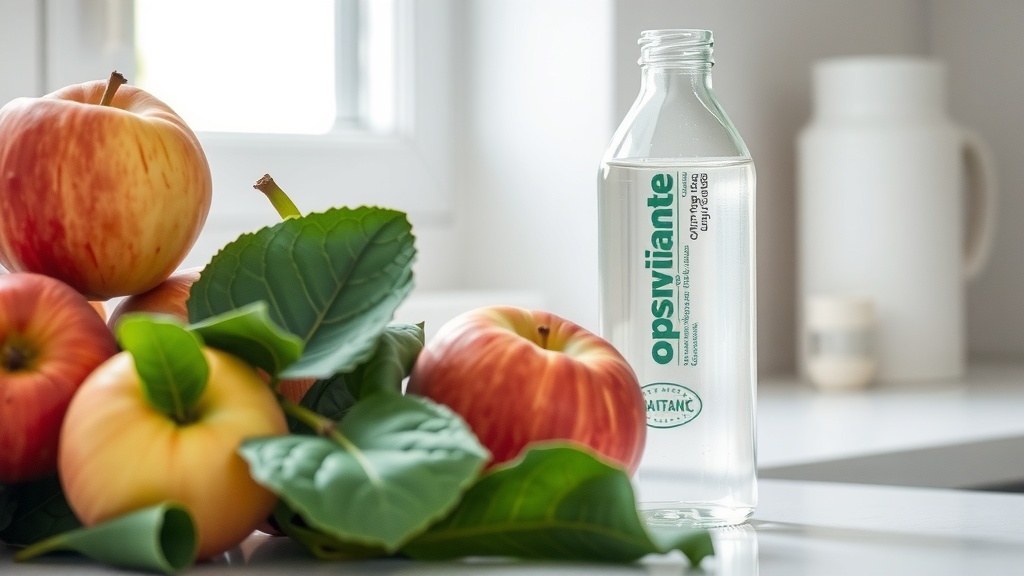
- Fresh fruit and vegetables – strawberries, apples, grapes, peaches, spinach, peppers and celery consistently show the highest residue levels
- Grains and legumes – wheat, oats, lentils and soya are often treated with herbicides even shortly before harvest
- Baby food and infant purees – even products made for the youngest children can contain trace residues
- Wine and fruit juices – grapes and other fruit processed into drinks carry residues from the entire growing cycle
- Cotton textiles and mattresses – cotton is one of the most intensively treated crops in the world
- Garden and household products – insect sprays, plant protection products and lawn granules for home use
- Pet food – and indirectly, meat from animals fed conventional grain
What it does in the body
Pesticides enter the body through three main routes: ingestion (residues on food), inhalation (sprays, dust) and skin absorption (contact with treated surfaces or products). The liver can partially process them, but with repeated exposure they may accumulate in fatty tissue.
- Nervous system – organophosphates and pyrethroids disrupt nerve signal transmission; higher exposure can cause headaches, dizziness or tremors
- Hormonal system – many pesticides act as endocrine disruptors, mimicking or blocking hormones and potentially affecting fertility and development
- Liver and kidneys – these organs carry the main burden of detoxification and are most affected by chronic exposure
- Immune system – some substances may suppress immune responses or contribute to the development of allergies
- Children and pregnant women are particularly sensitive, as a developing organism is more vulnerable to chemical influences
How to reduce exposure
- Choose certified organic for the highest-residue crops first – strawberries, apples, spinach, grapes and peppers are a good place to start
- Wash thoroughly all fruit and vegetables under running water, ideally with a brush; the skin of thick-skinned produce can be peeled
- Look for labels such as EU Organic, Demeter or Naturland on both food and textiles
- Replace household pesticides with mechanical methods or naturally derived products approved for organic farming
- Ventilate regularly, especially after using any plant protection or insect control products indoors
- Diversify your diet – eating a wide variety of foods from different sources naturally reduces repeated exposure to the same substances
Supporting your body's natural elimination
- Plenty of dietary fibre from vegetables, fruit and wholegrains supports gut motility and reduces the time substances stay in contact with the intestinal lining
- Regular movement and sweating – physical activity supports circulation and the body's natural elimination processes
- Good hydration helps the kidneys filter and excrete water-soluble metabolites efficiently
- Quality sleep is essential for liver regeneration, which plays the central role in processing foreign substances
Reducing pesticide exposure is not about living in anxiety or giving up fresh produce. It is about gradual, conscious choices that become a natural part of everyday life over time. Every step, however small, genuinely counts.