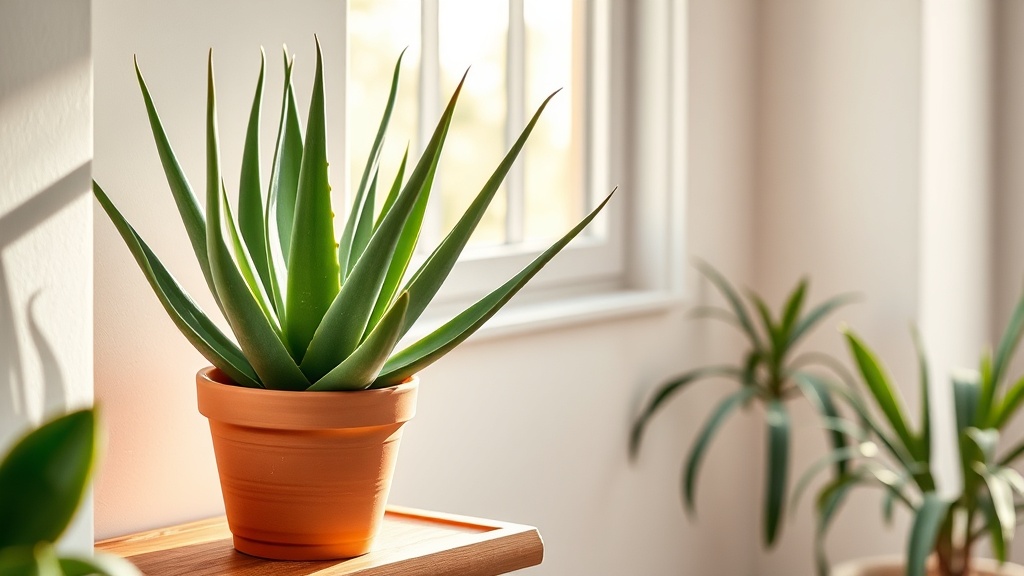
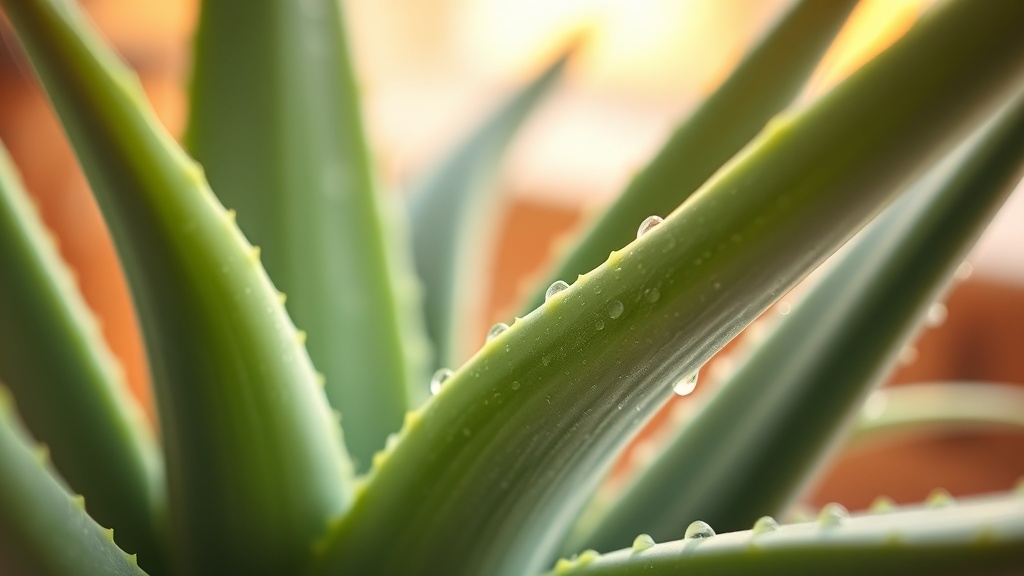
In the early morning, when light is still creeping slowly across the kitchen floor, it stands on the windowsill – steady, unhurried, full of quiet confidence. Its botanical name, Aloe vera (more precisely Aloe barbadensis Miller), traces back to the Arabic word alloeh, meaning a bitter, shining substance. And yet, in the home, this plant is anything but harsh. People have grown it for thousands of years across every continent, and for good reason – aloe vera is one of the rare plants that genuinely gives back.
What Aloe Vera Quietly Does for You
Aloe vera is not simply decoration. It is a living first-aid kit on your windowsill. The gel hidden inside its leaves is a natural remedy for minor burns, sunburn, or irritated skin – simply snap off a small piece of leaf and the cool, soothing juice is immediately there. No searching through bathroom cabinets, no reading ingredient lists on tubes.
- Cleans the air – aloe vera releases oxygen at night and helps clear the air of harmful substances that drift from furniture or cleaning products.
- Soothes the skin – its gel brings natural relief to irritation, small cuts, or dry skin during the cold winter months.
- Calms through presence – succulents have a naturally grounding quality; their firm, geometric shapes create a sense of order and stillness in a room.
- Deters certain insects – the strong scent of its gel acts as a natural barrier against moths and some flies.
- Forgives forgetfulness – aloe vera is the perfect companion for those who occasionally forget to water. It carries its own reserves within its leaves.
How to Care for It – Simply and with Kindness
Aloe vera loves light, but not the harsh midday sun, which would scorch its leaves. It feels happiest near a south- or west-facing window, where it receives plenty of brightness without aggressive heat. In summer, you can move it to a balcony or terrace – fresh air does it good.
Watering
Less is more. Water it once every two to three weeks – even less in winter. Always let the soil dry out completely between waterings. The most common mistake with aloe is overwatering: the roots rot and the plant loses its beautiful firmness. Use a well-draining cactus or succulent mix, and if possible, choose a clay or terracotta pot that naturally wicks away excess moisture.
Where to Place It
The kitchen is aloe vera's natural home – it is right at hand when cooking accidents happen. It also thrives beautifully in a bright bathroom or on a desk, where its calm, grounded presence quietly supports focus and a sense of ease.
A Small Secret About Aloe
One thing about aloe vera always surprises people: inside its leaves, two entirely different layers are hidden. The outer green skin and a bitter yellow juice just beneath it – and then the clear, cool gel deep within. These are two distinct substances with different qualities entirely. This hidden complexity inside such a simple-looking plant is a gentle reminder that nature is never quite as straightforward as it seems.
Bring an aloe vera home – perhaps this weekend, from a market or a garden centre. Place it on a windowsill where morning light falls, and let it simply be. It knows what it is doing. And before long, you will find yourself looking at it with something close to gratitude – like a quiet friend who is always there exactly when you need them.