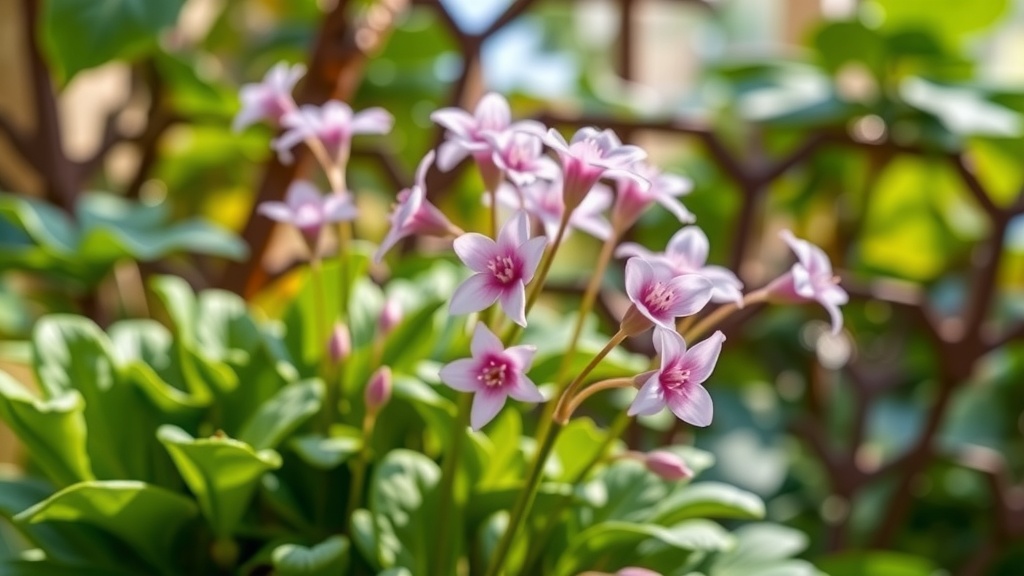
At the edge of the garden, where the soil holds a little moisture and shade mingles with sunlight, comfrey grows as though it has always been there. Its Latin name, Symphytum officinale, comes from the Greek word for knitting together and healing – and that says more about its nature than any description could. This robust herb with its rough, bristly leaves and small violet bell-shaped flowers is not ornamental in the conventional sense, but it carries something quietly magnetic: steadiness, permanence, and an unhurried sense of its own worth.
What comfrey does for your garden
Comfrey is one of those rare plants that gives more than it takes. Its roots reach deep into the soil – sometimes a metre and a half down – drawing up minerals that shallower-rooted plants simply cannot access. Those minerals return to the surface through the leaves, whether used as mulch, a compost activator, or a liquid feed. Fill a bucket with water, add a generous handful of leaves, and leave it for a few weeks. The resulting liquid makes a wonderful natural fertiliser for tomatoes, courgettes, or roses.
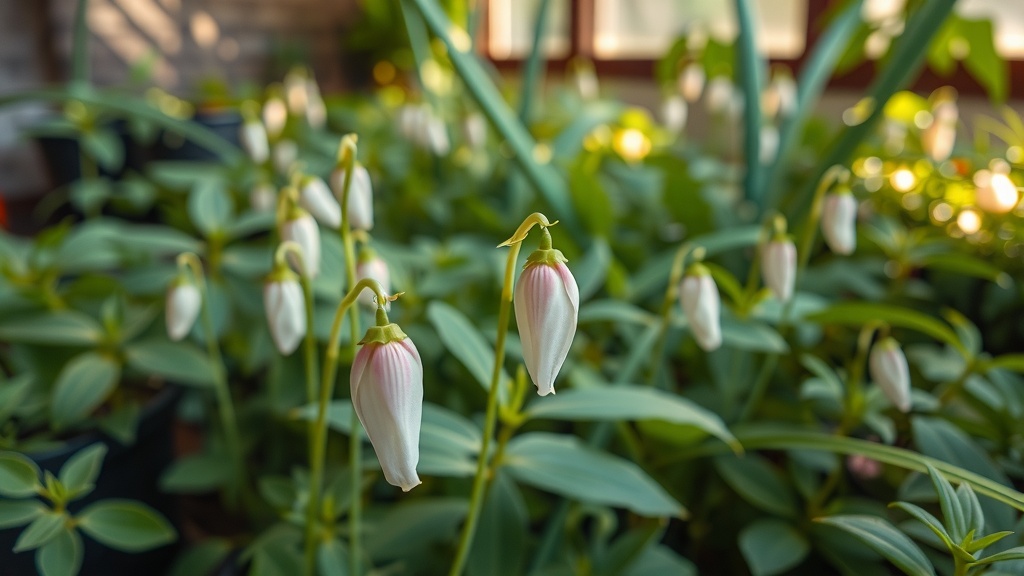
Bees adore it. Bumblebees in particular return to its drooping flowers again and again, drawn by nectar that is rich and easy to reach. Having comfrey in the garden means having a living garden – full of hum and movement.
Comfrey and the body – with care and respect
Traditionally, comfrey was used externally: leaves laid over tired muscles, swollen joints, or minor skin irritations. This practice has deep roots in folk herbalism across Europe, and many people still know it from their grandmothers. A fresh leaf placed over a cloth on an aching spot, or a salve made from the root and beeswax – these are the ways comfrey found its way into family households for generations.
One thing worth knowing: comfrey is not taken internally – not as a tea, not in any other form. Its beauty lies entirely in external use and in what it quietly does for the soil and the garden ecosystem around it.
How to grow it and where it will thrive
- Location: A semi-shaded to sunny spot with slightly moist soil. It does beautifully near a fence, beside a compost heap, or along the edge of a bed.
- Planting: Best grown from a root cutting in spring or autumn. Once established, it returns faithfully every year like an old friend.
- Care: Almost none. Comfrey is unfussy, resilient, and in good conditions will quietly spread on its own.
- Harvesting leaves: Wear gloves – the bristly hairs can irritate sensitive skin. Young leaves before flowering are the best for garden use.
A small secret from old gardens
In medieval monastery gardens, comfrey was considered one of the most valuable herbs. Monks grew it not only for its healing properties but because they believed that a strong, deeply rooted plant strengthened the whole garden – as if its calm and permanence passed gently to everything growing nearby. Whether that is truth or poetic imagination, one thing is certain: a garden with comfrey is a garden that knows how to look after itself a little.
If you have a corner of the garden where nothing quite works – a strip by the fence, a forgotten patch near the compost – give comfrey a chance. It will return every spring, offer its leaves to the beds, its flowers to the bees, and a quiet reminder that the most valuable things in a garden are often the most unassuming ones.