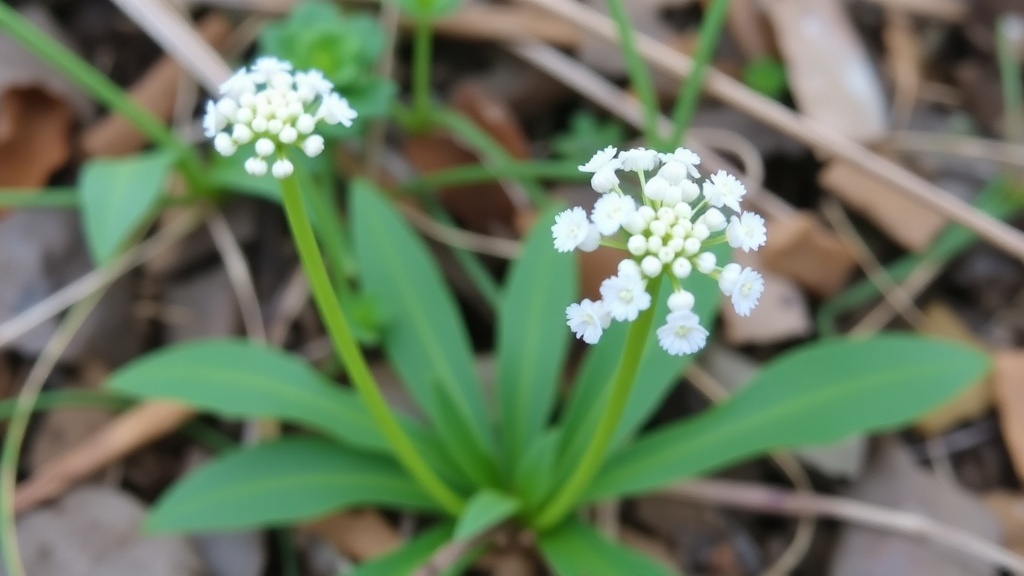
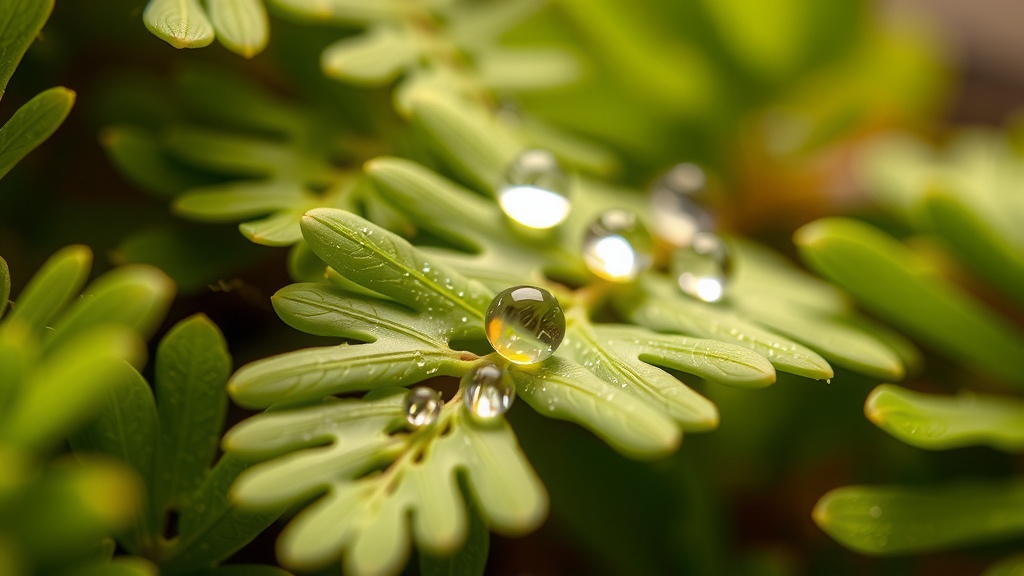
On a quiet evening walk along a forest path or the edge of an old garden, you might notice clusters of delicate white flowers and bright green leaves spread like small open hands. That is goutweed – a plant that grows steadily and without fuss, waiting patiently to be appreciated. Its Latin name, Aegopodium podagraria, traces back to the Greek word for a goat's footprint, hinting at how naturally and lightly this plant moves through the landscape.
A herb with a long memory
Goutweed has walked alongside humans for centuries. Medieval monks cultivated it in monastery gardens both as a healing plant and a food source. The species name podagraria refers to gout – the painful joint condition for which it was traditionally used. Today we are rediscovering it, with a fresh appreciation for what nature quietly offers just beyond our doorstep.
What goutweed gently does for your body
- Soothes inflammation – young leaves applied to a sore spot bring relief from swollen, aching joints, just as they did for generations before us.
- Supports the kidneys – a tea made from fresh or dried leaves helps the body release excess fluid in a gentle, natural way.
- Nourishes after winter – young spring shoots are surprisingly rich in vitamin C and minerals that the body craves after the cold months.
- Calms the nervous system – in folk tradition, goutweed was used for nervous tension and restless nights, both as a tea and as a soothing bath.
How to find it and what to do with it
Goutweed loves damp, shaded spots – under trees, along streams, in garden corners where sunlight barely reaches. The most valuable leaves appear in spring, before the plant flowers. At that stage they are at their most tender and flavourful. Always gather from places well away from roads and treated land, and only take what you will actually use.
Young leaves can be added to soups or risotto in place of spinach – they have a fresh, gently herbal flavour that surprises everyone who tries them for the first time. They can also be briefly blanched and served as a side dish with butter and garlic. In spring, when the whole landscape hums with energy, this is one of the loveliest ways to take some of that energy in.
A garden companion with a mind of its own
If goutweed already grows in your garden, you may have thought of it mainly as a persistent weed. Try shifting your perspective. Where you do not want it to spread, cut it back regularly or contain it with a border. But in a wilder corner of the garden, under an old tree or along a wall, let it be. It becomes a living carpet that protects the soil from drying out and offers shelter to small creatures.
There is also a beautiful ornamental form – Aegopodium podagraria 'Variegatum' – whose cream-and-green variegated leaves light up shady garden corners with quiet elegance all summer long.
A small ritual for a spring morning
Next spring, as soon as the first young goutweed shoots appear, gather a handful of leaves, simmer them briefly and make yourself a simple broth. Add a pinch of salt and a squeeze of lemon, and drink it slowly. It is a way of welcoming spring with your whole body – and a gentle reminder that nature offers more than we usually notice.