There are plants you only need to see once to remember forever. Hepatica, known in Czech as jaterník, blooms on forest slopes before the snow has fully retreated – small, blue-violet, and entirely unafraid of the cold. Its Latin name, Hepatica nobilis, comes from the shape of its lobed leaves, which early herbalists thought resembled the liver. But forget the anatomy lesson: what matters is the feeling this plant gives you when you find it flowering in late February, alone on a mossy hillside, while the rest of the world is still asleep.
A plant that knows its moment
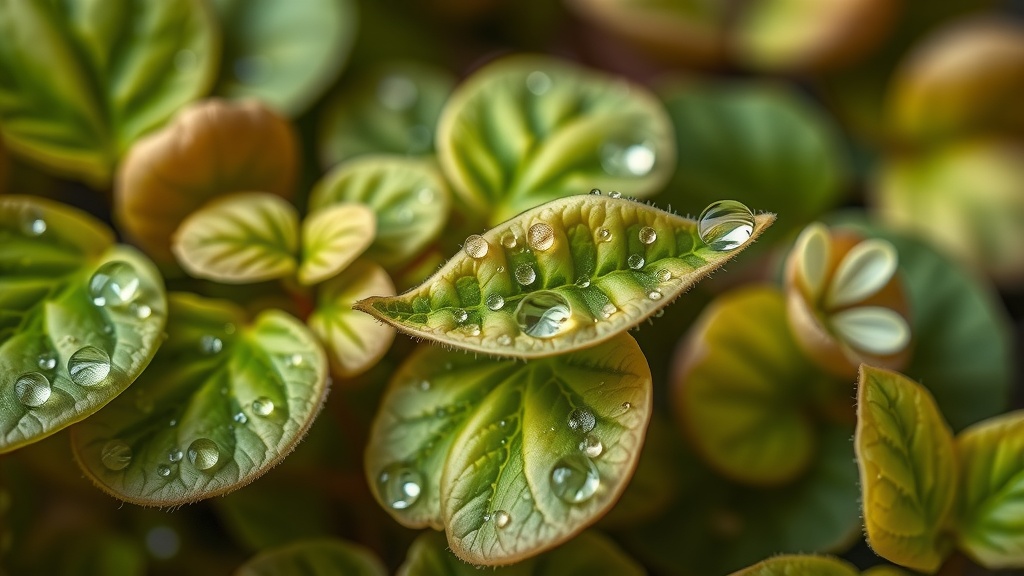
Hepatica is a woodland plant through and through. It grows naturally under the canopy of deciduous forests – beneath old beeches, hornbeams, and oaks – where the light is dappled and the soil is rich with years of fallen leaves. It blooms early and briefly, then quietly retreats into its leathery three-lobed leaves for the rest of the year. Those leaves, interestingly, stay green through winter, giving the plant a quiet presence even when the flowers are long gone.
If your garden has a shaded corner under a tree, hepatica can make its home there. It asks for humus-rich, slightly moist, well-drained soil and protection from harsh afternoon sun. It is not a plant for sunny borders or tidy beds. It belongs to the quieter, more forgotten corners of a garden – the kind of place where time moves a little slower.
What hepatica quietly offers
- The first joy of spring. When those blue-violet stars appear in late winter, they feel like a genuine gift. Hepatica is a reminder that beauty arrives on its own schedule, without being asked.
- Food for early pollinators. Hepatica is one of the first plants to offer pollen to bees and bumblebees emerging on the first warm days of the year. Planting it is a small, generous act toward the whole garden ecosystem.
- Structure in the shade. Where other plants struggle, hepatica thrives. Its evergreen leaves bring texture and calm to shaded spots even outside the flowering season.
- A lesson in natural rhythm. Watching hepatica bloom at exactly the right moment, year after year, is a quiet meditation on trusting the pace of nature.
Growing it in your garden
The easiest way to establish hepatica is to plant a nursery-grown seedling in autumn. Choose a spot beneath a deciduous tree or shrub where summer shade is natural and autumn leaves fall freely. Leave those leaves where they land: they act as a natural mulch, keeping moisture in and slowly enriching the soil exactly as hepatica prefers.
Water only during dry spells. Otherwise, leave it alone. Hepatica does not need fussing over. It needs space, the right conditions, and a little respect.
A beauty worth protecting
One important note: hepatica is a protected species in many Central European countries, including the Czech Republic. Never pick it or dig it up from the wild. If you want it in your garden, buy a plant from a reputable nursery. That way you support both the species and the growers who tend it with care.
And if you come across hepatica on a spring forest walk, stop. Crouch down. Look at it for a moment. That small blue flower, blooming alone on the cold forest floor, is one of nature's most honest promises: that warmth is coming, and it will be worth the wait.