Some plants quietly settle into a corner of a room. Others simply take over – with grace, and without apology. Elephant ear belongs to the second kind. Its Latin name, Colocasia esculenta (or Alocasia for the ornamental varieties), hints at deep roots: this plant has accompanied people for thousands of years, from the tropical gardens of Southeast Asia to contemporary living rooms. And yet it keeps something untamed about it, something wonderfully undomesticated.
Why you will fall for it
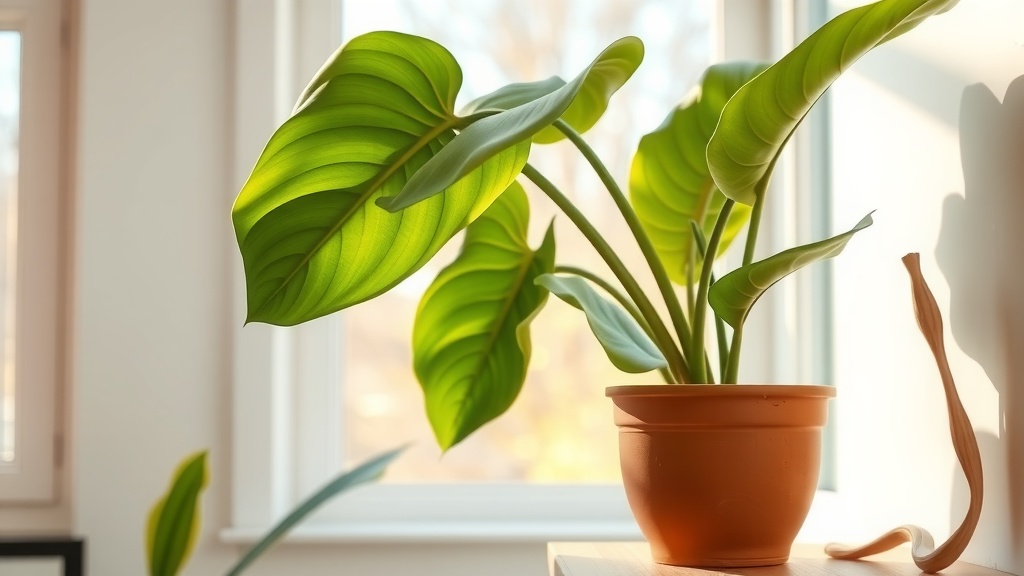
The large, velvety heart- or arrow-shaped leaves carry a quiet calming power. Green in its many shades naturally eases tension and invites stillness. Elephant ear also acts as a gentle natural humidifier: through its broad leaves, it releases moisture into the air around it – a welcome gift in winter, when central heating turns every room into a desert. If your home has carpets and radiators running all season, this plant is a quiet ally for your skin and your breathing.
Those generous leaves also bring visual order to a space. Where the eye might otherwise wander across cluttered shelves or restless details, one strong leaf draws attention and creates a natural centre. Interior designers call it a focal point – and elephant ear achieves it without a single framed print on the wall.
Where it thrives
Elephant ear comes from humid tropical regions, and its preferences reflect that origin. It loves light – but not the harsh midday sun, which would scorch its leaves. The ideal spot is a little back from an east- or west-facing window, where it catches soft morning or afternoon light without the intensity of direct rays. In a dark corner with no natural light, it would slowly lose its shine and vigour.
Watering should be regular but thoughtful. Let the soil dry out slightly between waterings – waterlogged roots are the plant's greatest enemy. Every now and then, wipe the leaves with a damp cloth. It benefits the plant, but it is also a small ritual of care that slows you down for a moment. Fingers on the velvety surface of a leaf, quiet in the flat. That minute has its own value.
One surprising detail
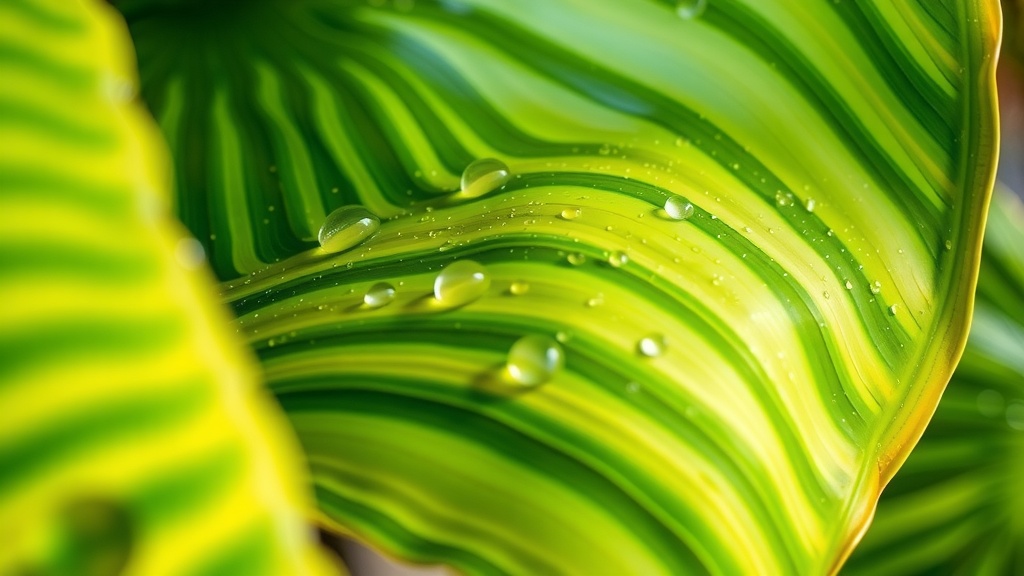
The droplets that appear on the tips of elephant ear leaves in the morning are not dew. This is a phenomenon called guttation – the plant naturally releasing excess water through its leaf tips. If you find small pearls of moisture on the leaves in the morning, it means the plant is doing well and the air in the room holds enough humidity. A small green greeting to start your day.
Practical tips to get started
- Placement: a bright room without direct sun – a living room or bedroom with enough space to let it spread.
- Watering: once a week in summer, less in winter – always check soil moisture with your finger first.
- Humidity: occasional misting or a tray of pebbles and water beneath the pot helps recreate tropical conditions.
- Repotting: in spring, when roots begin to peek through the drainage holes – a new, roomier pot gives it energy for the whole season.
Elephant ear is not a plant for the impatient – but for those who learn to listen. It rewards you with leaves that grow before your eyes, and a quiet presence that turns a flat into a place you actually want to be.