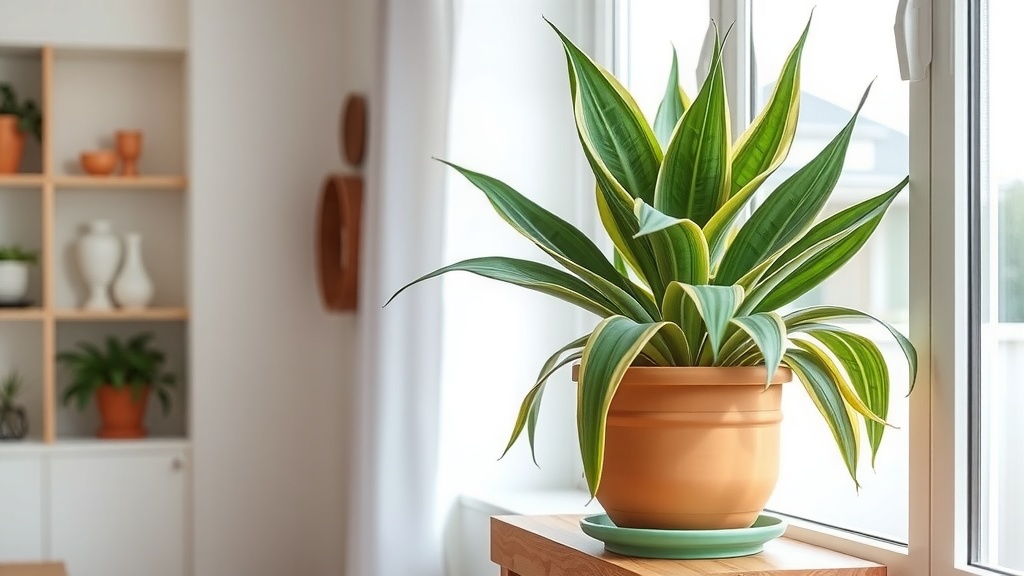
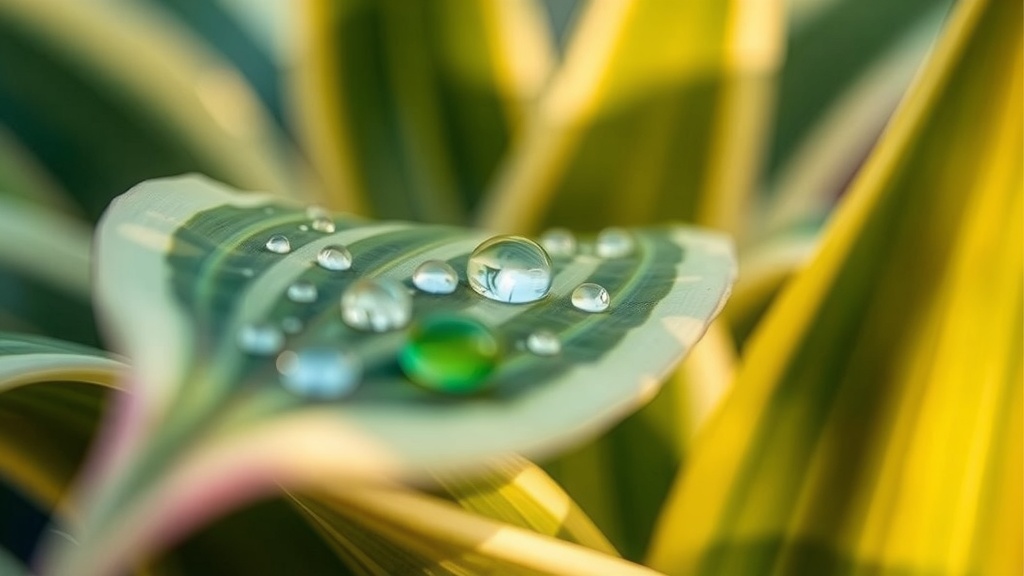
Some plants demand your attention the moment you walk in the room. And then there is the snake plant – upright, composed, quietly striking. Its Latin name, Dracaena trifasciata, carries a nod to dragons, and when you catch those sharp, banded leaves in the morning light, you understand why. Yet for all its bold appearance, this is one of the most forgiving and generous plants you can bring into your home.
What It Does for You, Quietly
The snake plant is known for filtering the air of harmful substances released by furniture, paints, and cleaning products. It does this without any fuss, simply by being alive. But there is something even more remarkable: unlike most houseplants, it releases oxygen at night rather than during the day, making it a wonderful companion for the bedroom, where it can support deeper, more restful sleep.
Its presence in a room brings a sense of calm order. Those geometric, patterned leaves introduce structure and stillness into an interior – and on a busy day, that quiet visual anchor is worth more than you might expect.
Where It Feels at Home
The snake plant is wonderfully adaptable. It tolerates a shady corner or bright indirect light, dry central heating or the occasional forgotten watering. Direct midday sun, however, is not its friend – leaves can bleach or scorch. It is happiest near a north- or east-facing window, or set back a little from a south-facing one.
- Bedroom: The ideal spot, thanks to its night-time oxygen release.
- Home office: Keeps the air feeling fresh during long hours at a desk.
- Hallway or entrance: Handles lower light beautifully and greets you with calm every time you come home.
Care That Will Not Overwhelm You
Water your snake plant sparingly – every ten to fourteen days in summer, even less in winter. The most common mistake is overwatering. Roots sitting in wet soil will rot quickly, so wait until the soil is completely dry an inch or two down before reaching for the watering can. A well-draining pot in terracotta or stoneware is ideal, as these materials let the soil breathe naturally.
Once a month, wipe the leaves gently with a damp cloth. The plant breathes better for it, and you will find yourself slowing down for a moment, noticing just how beautifully each leaf is formed.
A Small Detail Worth Knowing
The snake plant originates from the dry, rocky slopes of tropical Africa. In many cultures there, it was planted near doorways as a protective presence – a quiet guardian of the threshold. Perhaps that is why it carries such a composed, self-assured energy. It knows exactly where it belongs.
If you are looking for a plant that will stay with you through busy weeks and forgotten routines, that will make your home more beautiful and your air a little cleaner without asking much in return – the snake plant is exactly that. Find it a good corner, give it a drink now and then, and let it do the rest on its own.