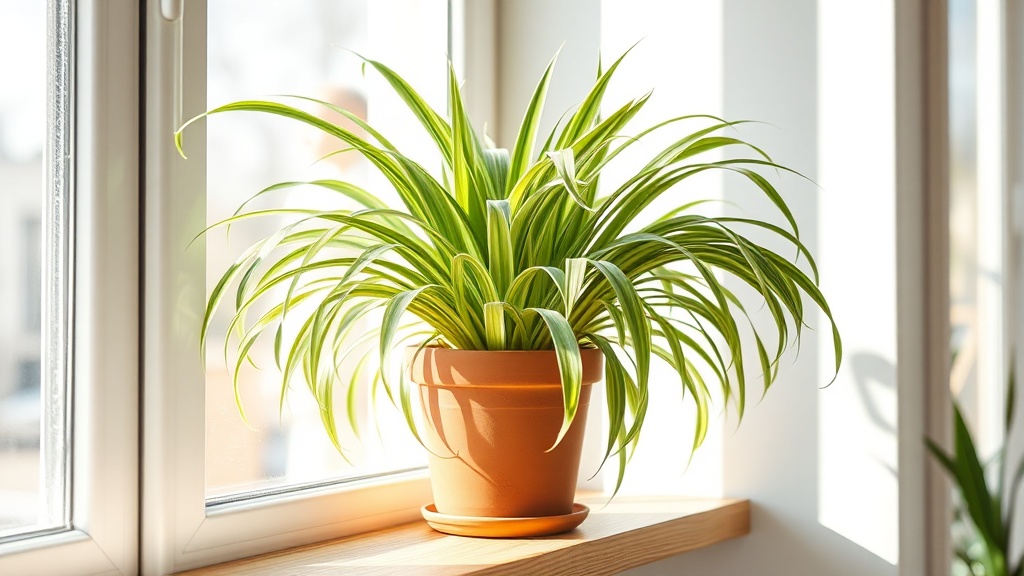
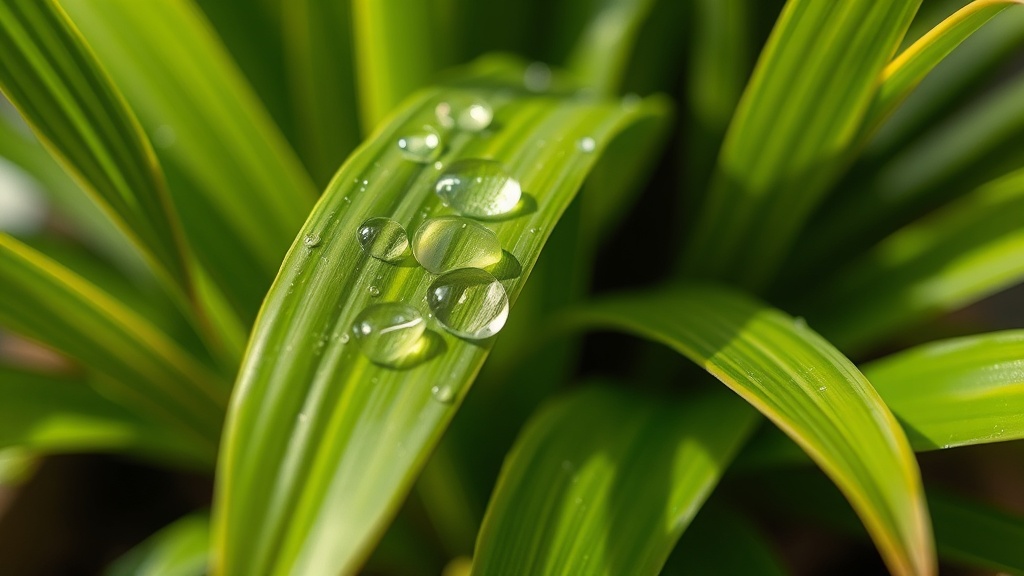
Early morning, while the kettle is still warming and the light is just beginning to settle across the floor, the spider plant is already quietly at work. Its long, arching leaves – pale green with a creamy stripe down the centre – sway gently in the draught from the window, and there is something deeply calming about that small, living movement. Its botanical name, Chlorophytum comosum, comes from the Greek words for green and hair – and truly, nothing describes it better than that lush, flowing tangle of leaves, with tiny plantlets dangling from long stems like little green stars.
What the spider plant quietly does for your home
The spider plant is not merely decorative. It works gently and persistently, helping to cleanse the air of the invisible residues that accumulate indoors – from furniture, cleaning products, and synthetic materials. The presence of living greenery in a room soothes the mind, softens the feeling of tension, and brings a quality of freshness that you may not fully notice until the plant is gone.
- Purifies the air – absorbs harmful substances and returns a cleaner, fresher atmosphere to the room.
- Calms the mind – living green in your field of vision naturally eases stress and brings a sense of quiet.
- Adds moisture – especially welcome in winter when heating dries the air, the spider plant helps maintain a more comfortable humidity.
- Safe for pets – unlike many houseplants, it is non-toxic to cats and dogs.
- Multiplies generously – the little plantlets that trail from long stems can be rooted easily in water and gifted to friends.
How to care for your spider plant – gently and simply
The spider plant is forgiving. It will overlook a missed watering, survive a shadier corner, and ask very little of you in return. Still, a few small gestures will make it truly flourish.
Light
It is happiest in bright, indirect light – an east-facing windowsill is ideal, or a spot a little back from a south-facing window. Variegated varieties, those with the white or yellow stripe, appreciate a little more light to keep their markings vivid and bright.
Watering
Water when the top layer of soil feels dry to the touch – roughly once a week in summer, less in winter. The spider plant dislikes sitting in waterlogged soil, so always allow excess water to drain freely. If your tap water is very hard, let it stand overnight before watering – Chlorophytum comosum will thank you for it with greener, happier leaves.
Where to place it
It is a wonderful choice for a bedroom, where it supports restful sleep, for a child's room thanks to its gentle, non-toxic nature, or for a bathroom with a window, where it will appreciate the higher humidity. It looks especially beautiful in a hanging basket, where its trailing stems and baby plantlets can cascade freely downward.
One thing that might surprise you
The spider plant is one of the few houseplants that multiplies with such effortless generosity that from a single plant, you can have an entire collection within a year. Each little plantlet is a small gift waiting to be rooted in a glass of water and passed on. It is, in the most natural sense, a plant that wants to be shared.
If you are looking for one small thing to do this week – find a spot where you will see your spider plant every single day. On a bedside table, a kitchen shelf, a windowsill in the hallway. Let it become part of your morning. You will be surprised how quickly it becomes indispensable – and how much lighter a room feels with a little living green in it.